Thursday, 26 November 2015

My 30 Favourite Films (Part 2)

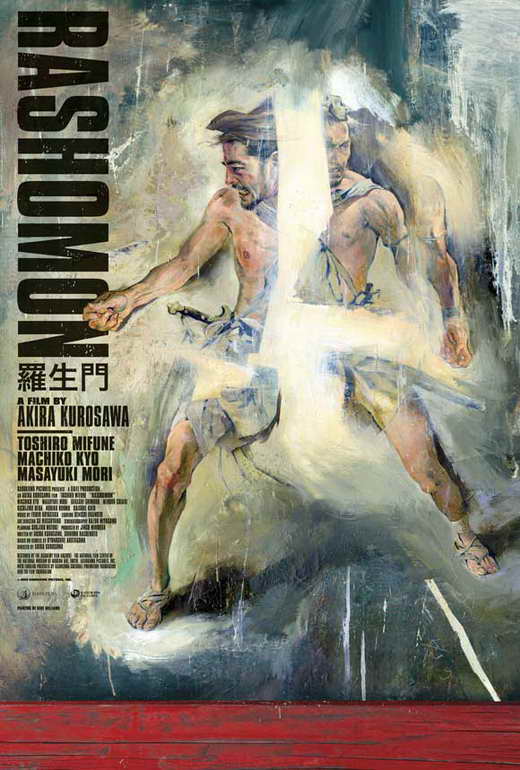
Rashomon (1950, Akira Kurosawa)

I am not too concerned with giving any kind of ranking for this list, however I will be exceptional in this case. Rashomon is probably my favourite film ever made making the the number one film here. 

From the very first shot this film captivated me, mysterious and engulfing. Truly my favourite opening of all time.

I love every aspect of this film, from it's genius screenplay, to its amazing performances (Tishiro Mifune is almost literally feral in this film), and the stunning cinematography.

Sheer beauty on celluloid.


Tokyo Story (1953, Yasujiro Ozu)

Ozu is a filmmaker that I am very cautious of. Mainly because I feel I could very easily become totally obsessed with him. His films embody and encapsulate the human spirit like few others, and his eye for detail is exquisite

I plan on updating this list next year, and if I do expect a lot more Ozu to appear.

This film is simply gorgeous. Tender, solemn and brimming with dignity.


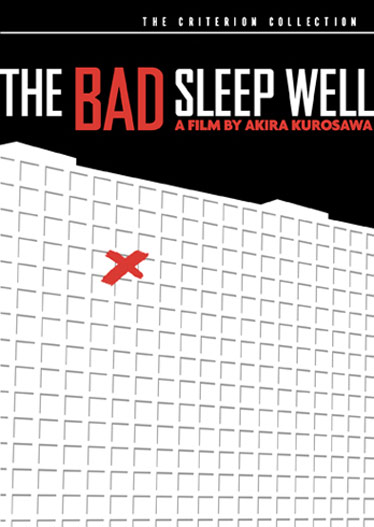
The Bad Sleep Well (1960, Akira Kurosawa)

Yet another Japanese film, and another from director Akira Kurosawa. This is easily his most overlooked film, an incredibly crafted noire with some of the best performances and writing you will see in any thriller. 

Psychologically challenging and heartbreaking by the end, with a lot of credit going to Toshiro Mifune, who is always incredible to behold.

Kurosawa took a screenplay loosely based on Hamlet and transformed it into something new and wonderful.


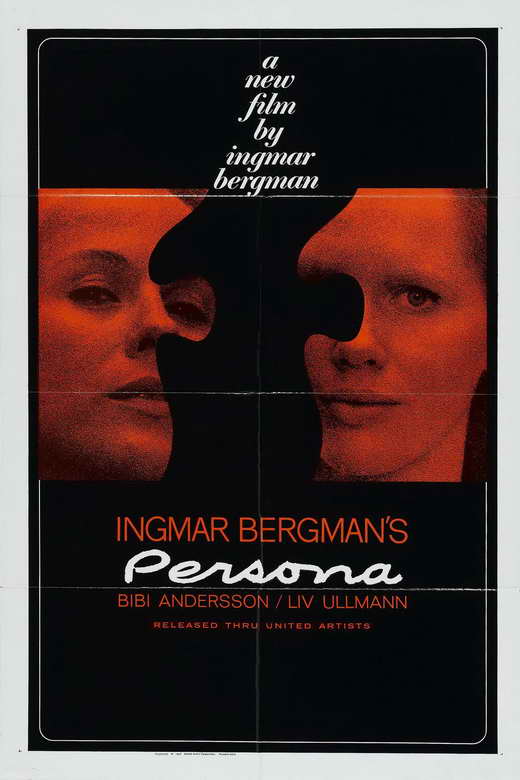
Persona (1966, Ingmar Bergman)

Easily the least accessible film on this list. Persona is disjointed, pretentious and obscure.

It is also revealing, daring and shows the great Bergman at the very heights of his powers. Things are done in this film that astonish me, and terrify me. Probably the sharpest and most daring film on this entire list.

Sadly this is the only Bergman film on the list, I had to be very picky and restrictive on that front. A true shame.


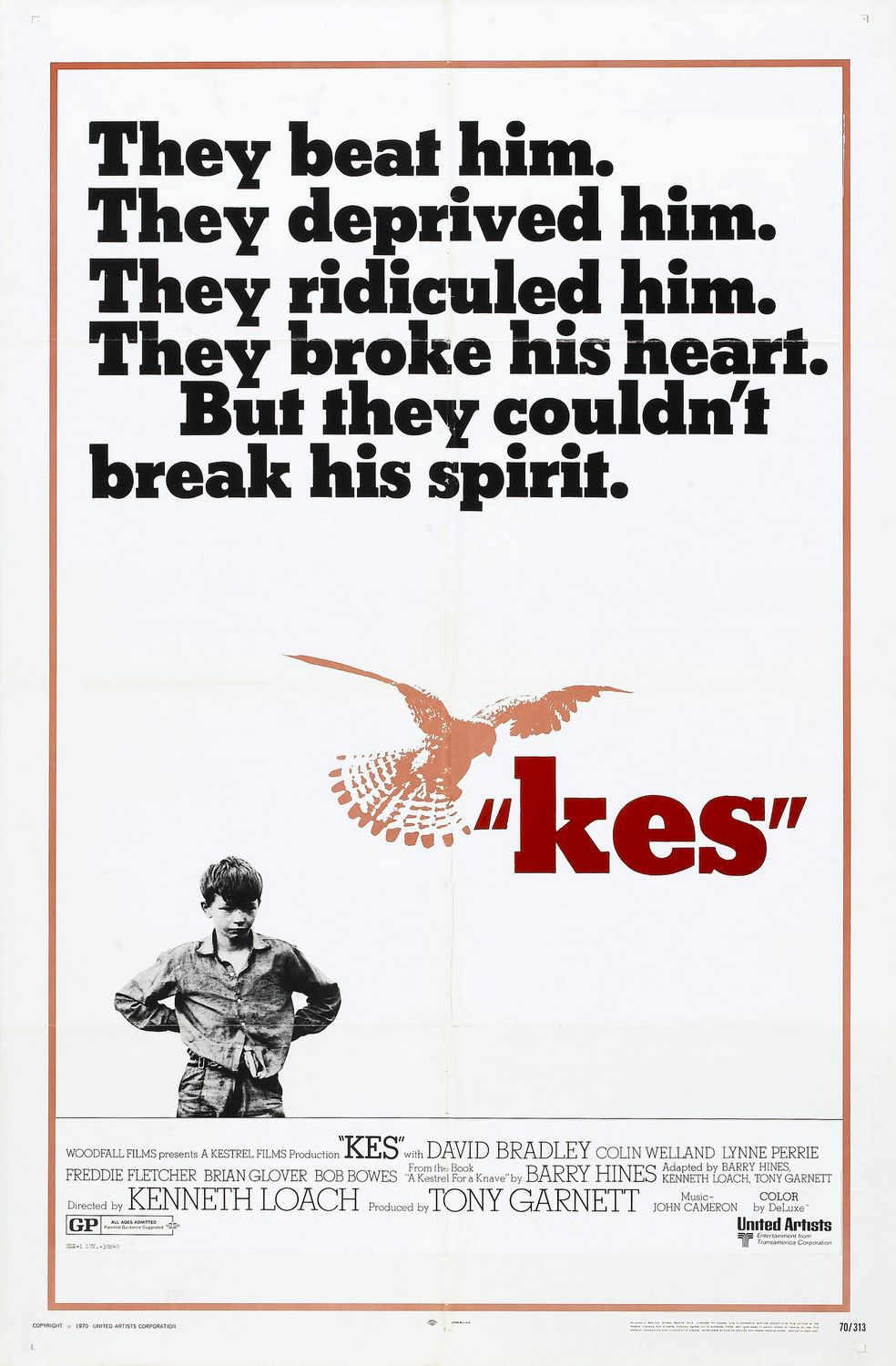
Kes (1969. Ken Loach)
Extra Large Movie Poster Image for Kes
One of the simplest films on the list, along with Tokyo Story. A simple look into the raw human experience of a boy in an impoverished environment.

Heartbreakingly real and filmed with expert care and attention.

Not a flashy film, but one that gives a window into another world, one of the things that films are amazing at doing.


By Jack D. Phillips
Next is my favourite decade in all of cinema, the 1970's.


Wednesday, 25 November 2015

My 30 Favourite Films (Part 1)

To celebrate the one year anniversary of this blog, I will now list my favourite films of all time. I simply adore every film on this list from start to finish, and it was ridiculously hard to narrow it down to only thirty films. 

Also, I have disqualified any film that I have not seen within at least two years, below are a the films that may have made it on here if not blocked by this rule.


M (1931)

Ikiru (1952)
Seven Samurai (1954)
The Godfather (1972)
The Wicker Man (1973)
Apocalypse Now (1979)
Raging Bull (1980)
Goodfellas (1990)
Battle Royale (2000)
Oldboy (2003)
There Will be Blood (2007)

Also a special mention has to go out to the film When the Wind Blows (1986), which is an unbelievable masterpiece in every way, however due to its incredibly bleak tone I cannot in any way claim to enjoy it. Do this depressing nature I also have no real desire to rewatch the film in the foreseeable future. 


Aside from these honourable mentions, this is a collection of the greatest films ever made in my eyes, listed in chronological order.


Sunrise (1927, F.W Murnau)

My favourite film of the silent era, Sunrise is an intensly emotional and dreamlike experience. It uses very few title cards, telling its story entirely through its amazing visuals and its stunning soundtrack.
This is basically a film that I could watch any time any place, it goes through so many emotions so effortlessly and is a joy to wander through. In particular the Cathedral scene at around the 1/3 point in the film is one of the most overwhelming scenes in any film period.


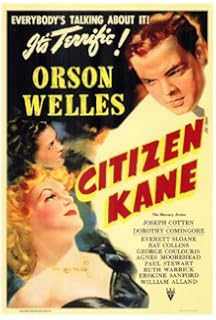
Citizen Kane (1941, Orson Welles)

What even needs to be said about this film? One of the most complex, stunningly structured and relatable character studies in the history of film. A towering achievement in every aspect of filmmaking, from early scripting to final editing and everything in between.
All wrapped up by one of the most powerful endings in film history.


Double Indemnity (1944, Billy Wilder)

A dark and twisted little tale, filled with intrigue and brimming with character. One of the best constructed screenplays of all time without a doubt.
Slick, beautifully told, and able to balance many moving parts without ever feeling overwritten or difficult to follow. A joy of genre cinema.
Also, yet another exceptional ending scene, capping the films bleak mood and grim characterization.


By Jack D. Phillips

Monday, 23 November 2015

Almost 1 year

It's almost my one year anniversary on this blog. Thank you to everyone who has ever read my stuff and I hope I can continue to do this forever.

I am going to be uploading something special for the anniversary itself.

By Jack .D Phillips

Wonder of the World


Ex Machina (2015)
Yellow Submarine (1968)
Under the Skin (2014)
O Brother Where Art Thou? (2000)
Ratatouile (2007)
What's Opera doc? (1957)
The Meaning of Life (2005)
Taxi Driver (1976)
Willy Wonka and the Chocolate  Factory (1971)
Fantastic Planet (1973)
Little Miss Sunshine (2006)
Ocean Waves (1993)
The Seventh Seal (1957)
Her (2013)
The Tale of Princess Kaguya (2013)
The Lion King (1994)
The 400 Blows (1959)
Enter the Void (2010)
It's Such a Beautiful Day (2012)
5 Centimetres per second (2007)
Samsara (2011)

By Jack D. Phillips

Wednesday, 18 November 2015

Openings: 28 Weeks Later


Last time I looked at an opening that I generally thought was fairly great. In fact I considered it to be the best part of the film on the whole and something of a genre leader in terms of found-footage horror openings. Now I am going to look at an opening that I am far more unsure of, for a film that I really don't like very much.

To start, as this film is a sequel I feel I owe my opinions on the original 28 Days Later. I like it a lot, everything works well and it successfully evolved one of the most important subgenres in horror history. The direction is great, the pace is phenomenal and the acting is great all across the board. It's a great example of a film that I forget that I love until I begin thinking about it.


The sequel is, odd. Larger in scale and yet smaller in character. It is a film that fails to create a sense of epicness, partially due to the strangely restrictive budget (and as a result cheap looking visuals) and also due to an overly tight runtime. However it's opening is notable for how separate it feels from the main body of the narrative, it is a true prologue in the traditional sense.


The opening of the film is the ending of a story that we did not see. The remarkable thing about this opening is that it gives the impression that the characters we are seeing, despite almost no significant screentime, are real people. Character relationships are implied and depth is given in some surprisingly subtle places. The audience gets the sense that even though this group of survivors is being overrun by zombies, that they were compelling and would have been interesting to watch....this brings me to the problem this entire idea raises.


The story that concludes as the film's opening takes place seems like a more interesting narrative than the one that the main film consists of. This manifests in several ways over the course of the film. For example, where as great lengths have clearly been made to create convincing characters in this scene, written to feel real, the main body of the film is severally lacking character, filled with bland an emotionless dialogue giving no semblance of personality. It is confusing to think, but it feels although for care and attention was put into the screenplay of this little scene than the film at large.

A further problem with this scene comes when looking at the use of the iconic 28 Days Later theme song. Intense and memorable, this track was used to great effect in the first film, with small snippets used throughout, with the entire song only being heard over the excellent climax. In Weeks however, the theme song is used immediately in the opening scene. In it's own right the scene is certainly intense enough to justify the song, however it lessens it's use later on in the film, once again giving the impression that more care and priority was given to this eight minute or so sequence that the film's actual narrative.

Perhaps the worst indictment I can give towards this scene is that it feels far superior to the film that it was grafted onto, and it actively undermines and points out the flaws of said films narrative. 

It is a true shame, because as a generic zombie movie opening this one works well, it just goes on to highlight how inadequate the following film is, especially when compared to it's predecessor

By Jack D. Phillips
Openings #2

Sunday, 15 November 2015

Time Travel


Dragon Ball Z (1989-1996)
Back To the Future (1985)
Primer (2004)
Doctor Who (1963-)
The Time Machine (1960)
The Girl Who Lept Through Time (2006)
The Terminator (1984)
Bill and Ted's Excellent Adventure (1989)
Time Bandits (1981)
Looper (2012)
Harry Potter and the Prizoner of Azkaban (2004)
The Butterfly Effect (2004)
Midnight in Paris (2011)
Star Trek IV: The Voyage Home (1986)
Superman (1978)
Rick and Morty (2013-)
12 Monkeys (1995)
Pokemon 4ever (2001)
Power Rangers Time Force (2001)
Futurama: Bender's Big Score (2007)

By Jack D. Phillips
 I'M BACK!

Thursday, 15 October 2015

Autumn/Halloween


The Book of Life (2014)
At Midnight I'll Take Your Soul (1963)
Halloween (1978)
Halloween 4: The Return of Michael Myers (1988)
The Babadook (2014)
Good Will Hunting (1997)
Watership Down (1978)
It's Such a Beautiful Day (2012)
The Guest (2014)
The Borderlands (2013)
Nosferatu (1922)
Edward Scissorhands (1991)
The Blair Witch Project (1999)
The Lodger (1927)
You're Next (2011)
Scream (1996)
Cabin in the Woods (2012)
The Nightmare Before Christmas (1993)
The Thing (1982)
The Fox and the Hound (1981)
Up (2009)
Fantasia (1940)
Little Shop of Horrors (1986)
Monster House (2006)
Falling Leaves (1912)

Friday the 13th Part VIII: Jason Takes Manhattan (1989)

Return to Oz (1985)
The Nightmare on Elm Street (1984)

By Jack D. Phillips

Tuesday, 6 October 2015

Openings: The Visit (2015)


M. Night Shyamalan is a very easy person to make fun of. For the past decade he has helmed a series of cinematic bombs, eroding his once acclaimed reputation, to the point where most people associate him more for his recent failures rather than his past successes. I am certainly amongst this group, I have seen many of his recent films and have been shocked by their bafflingly bad dialogue, wooden acting and moronic plotting. The Happening in particular is so bad that I find it truly hilarious, perhaps the greatest so bad it's good film in recent memory.

However, although Shyamalan's failures can often amuse me, they can also enrage me. The Last Airbender is a film based upon the animated show Avatar: The Last Airbender. I have a fondness and affection for this show that is difficult to match and my love for it goes back many years. Shyamalan failed to do even a single element of this world that I adored justice and created what may very well be the most anger inducing film I have ever seen. So along with being a punchline in my book, Shyamalan also created what I consider to be my least favourite film of all time.

So with all of that prior baggage concerning this filmmaker, I was surprised when I actually enjoyed his most recent film, The Visit. It is far from great and it is deeply flawed, however there are some elements of it that I found quite admirable. The opening sequence was one of these elements.

The Visit is a found footage horror film, found footage currently being one of the most overdone and tired styles in mainstream western cinema. It has been this way ever since Paranormal Activity revived the genre eight years ago. However Shyamalan decides to base his film far more on the template established by the Blair Witch Project the previous leader in the genre. This means that, although The Visit is still highly derivative, it at least derives itself from something less tired and currently overused. 

One of the key elements that the film derives from The Blair Witch Project is basing the narrative around the production of an fictional amateur film, a film within a film. The Visit takes the amateur element further however, by making the fictional film the pet project of a single teenager. This is quite important to the film overall, as the idea of scaling down personalising pre-existing tropes and concepts is central to the tone and atmosphere of the narrative.

In the opening scene we watch an interview being conducted between the teenager (Becca) and her mother. By opening  in this way we instantly learn several things about the fictional pet project Becca is conducting. Firstly we assume that this interview will act as the opening of her film, giving us a connection and understanding of the structure of the fictional film and therefore putting the audience in a better position to follow the production throughout the narrative. Secondly we learn from the direction Becca gives her mother that this is a documentary, crating a sense of realism within this entirely fictional aspect of the story. It gives grounding to the film's world at large. Thirdly, by actually going through the effort of setting up a professional style interview, Becca is established as an organised and mature character (or at least filmmaker). This separates Becca from the amateurish characters from The Blair Witch Project, who despite being older conduct interviews with far less direction in less professional locations (usually outside on the street). Probably the best way to summarise the distinction between the character's in Blair and Becca is that Becca's film actual looks like it would be a decent documentary in it's own right, whilst the film in Blair seems roughly shot and repetitive. A trait which sadly carries into the Blaire's actual opening.

All this information is conveyed within three or four seconds of the film beginning and establishes a tone and distinguishes the film from it's direct predecessor. I would argue that despite being highly derivative, this opening improves upon that of  Blair due to it's ability to quickly establish the film's tone and character. The opening of Blair is comparatively overly long and repetitive, spending way too much time in the town repeatedly interviewing passers-by with little to no relevant information. Although I would by no means call The Visit a superior film to Blair, it is a great example of how brevity and efficiency can greatly improve a film's opening. After it's clunky opening, Blair has to struggle to make up for lost time and reignite the audience's interest, where as The Visit is able to continue building upon what was established within it's first scene.  

The actual contents of Becca's interview gives further details into the character's and establishes the story's themes. We learn of her mother's turbulent relationship with her own parents, as well as Becca's disdain for her deadbeat and absent father. Parallels are immediately established and the inner workings of this family are pushed as important. The film will continue to build upon and add complexity to these familial themes and relationships in future scenes, however those scenes would fall flat if not for the solid groundwork laid down here.

The Visit is also an excellent example of a bookend formatted film, where the beginning and ending exist to wrap up the narrative and are noticably destinct from the main meat of the film. The ending scene is almost identical to the opening, Becca is interviewing her mother about the same topics (the past with her parents) in the exact same location. However in this ending the Mother is willing to divulge far more than before, as a result of the events which occur during the main body of the narrative. This ending brings closure to the narrative and ties up the themes of the film nicely, as well as being another example of how the film bases almost all of it's drama upon the simple foundation established in the opening interview.

The opening scene of The Visit is a very strong example of how an opening scene can make or break a film. If the narratives engaging and fairly moving themes of family and forgiveness were not established so well here, along with the roles and basic personality of our lead character, the entire film would have fallen apart completely. This scene is probably the strongest piece of filmmaking Shyamalan has helmed in over a decade and if we are incredibly lucky, it may signal a new stage in the career of the once crowned Prince of failure.

By Jack D. Phillips
Openings #1
Wednesday, 30 September 2015

Openings.

Just a little update. I am now in University and am thinking up ways to improve the quality of the content on this blog.

So I am proud to announce a new series, a look at film openings both good and bad. Looking at how to effectively capture the viewers attention and to begin establishing the themes of the narrative in the first few moments. I hope you enjoy.

By Jack D. Phillips

Tuesday, 15 September 2015

To Be Watched


Annie Hall (1977)
The Good, the Bad and the Ugly (1966)
Boogie Nights (1997)
Blow Out (1981)
Pi (1998)
M (1931)
2001: A Space Odyssey (1968)
Silence of the Lambs (1991)
Manhunter (1986)
A Clockwork Orange (1971)
Birdman (2014)
The Wrestler (2008)
Halloween (1978)
Peeping Tom (1960)
Through a Glass Darkly (1961)
Man With a Movie Camera (1929)
Bronson (2008)
Sunrise: A Song of Two Humans (1927)
Pinocchio (1940)
Red Hot Riding Hood (1943)
High and Low (1963)
Lost in Translation (2003)
Psycho (1960)
Blow Out (Film Within a Film) (1981)
Oldboy (2003)
Exit Through the Gift Shop (2010)
The Departed (2006)
The Conversation (1973)
The Tale of Princess Kaguya (2013)
Rejected (2000)

By Jack D. Phillips

Sunday, 6 September 2015

Ocean Waves (1993)

 A touchingly simple look
at youth, dripping 
with detail 
and authenticity.


Ocean Waves is one of the least talked about of all Ghibli films, and it is fairly easy to see why that is. It was not originally a theatrical release, rather a TV movie, and it deals with a radically different subject than most other Ghibli films, the drama of teenagers entering the responsibility of young adulthood. There is none of the fantastical magic that has become so ingrained within the identity of the studio here, and so it tends to get lost and left behind. I however do not feel that this is fair, for despite being radically different in pace and tone to it's siblings, there is something genuinely magical and powerful about this film, and in fact I would use this film as a prime example of Ghibli's power.

For a start, the attention to detail in this film is remarkable. The narrative's framing device is that a University student upon glimpsing a familiar figure on a train station begins to recall his sixth-form days. There are several moments where the film focuses on small elements of the environment, for example a man smoking while on a break from the kitchen he works in, or some pigeons flying around the entrance to a shopping mall. These details bring the environment to life and adds a nostalgic air to the entire narrative. The film is paced like a series of individual memories played in sequence, with significant time leaps between or even during sequences, and these details tie everything together. The individual memories are preserved in such detail and candidness, just as important memories are in real life.

The film is also beautifully written. Although I do not think naturalistic is the right word, there is something real and human about the way these people are written. The situations and scenarios are familiar and simple yet never feel dull. The dilemmas and relationships of our lead character flow and fold into each other realistically, yet the framing device and time lapses allow a satisfying and dramatic pace to be maintained.  There is something composed and relaxed about the film which I can only presume comes from it's roots in television. There are no contrived set-pieces, a flaw which can sometimes ruin the endings to some of Ghibli's more relaxed films (most notably Kiki's Delivery Service) in my opinion.

There is just something beautifully refreshing about this film. Even it's title brings to mind a soothing and revitalising excursion to a beautiful little world. When Ghibli gathered a bunch of it's younger talents and told them to make a film, I cannot think of a better way their unique voice could have been used. One final thing I wish to bring up is the film 5 Centimetres Per Second, which is also a fabulous animated film about reflecting on youth. It was on my mind a lot while watching and writing about this film, and although the two cover a lot of different ground, they work wonderfully as companion pieces. Of the two however Ocean Waves is easily the more consistent and overall affecting, as it gave me a lot to chew on over the few days following.

By Jack D. Phillips
A Zoom Film Review

Thursday, 3 September 2015

Our Place In the Universe


Star Trek (1966-1969)
Dragonball Z (1989-1996)
Scarface (1983)
Summer Wars (2009)
Fantasia 2000 (1999)
Star Wars (1977)
Donnie Darko (2001)
Her (2013)
E.T: The Extra-Terrestrial (1982)
Blade Runner (1982)
The Meaning of Life (2005)
The Thing (1982)
War of the Worlds (1953)
Mass Effect (2007)
Kwaiden (1964)
Lost In Translation (2003)
Pinocchio (1940)
The Elephant Man (1980)
Treasure Planet (2002)
Halo (2001-)
2001: A Space Odyssey (1968)
Wall-E (2008)
Cowboy Bebop (1998-1999)
Total Recall (1990)
5 Centimetres Per Second (2007)
Sunshine (2007)
It's Such a Beautiful Day (2012)
Alien (1979)
Winter's Light (1963) 
The Tale of Princess Kaguya (2013)
A Trip to the Moon (1902)

By Jack D. Phillips