Showing posts with label Romance. Show all posts

Tuesday, 5 January 2016

'Love'


CLICK TO ENLARGE

Avatar the Legend of Korra (2012)
Adventure Time (2010)
Boogie Nights (1997)
Punch-Drunk Love (2002)
Eternal Sunshine of the Sunshine of the Spotless Mind (2004)
Ed Wood (1994)
It's such a beautiful day (2012)
Ocean Waves (1993)
On Her Majesty's Secret Service (1969)
5 Centimetres Per Second (2007)
Telltale's The Walking Dead (2012)
The Innocents (1963)
The Master (2012)
Carrie (1976)
Lost in Translation (2003)
Avatar the Last Airbender (2005)
The Slippery Slope (2003)
Pinocchio (1940)
Casino Royale (2006)
Casablanca (1942)
Manhattan (1979)
Return of the Jedi (1983)
Butch Cassidey and the Sundance Kid (1969)

Jack D. Phillips
A Zoom Film Collage

Friday, 11 December 2015

Winter


On Her Majesty's Secret Service (1969)
Troll Hunter (2010)
Tokyo Godfathers (2003)
Lady Vengeance (2005)
The Thing (1982)
The White Ribbon (2009)
Groundhog Day (1993)
Under the Skin (2014)
Schindler's List (1993)
Frozen (2013)
Birdman (2014)
Fargo (1996)
The 400 Blows (1959)
The Visit (2015)
The Seventh Seal (1957)
Eternal Sunshine of the Spotless Mind (2004)
Winter's Light (1963)
Ida (2013)

By Jack D. Phillips

My Favourite Films (Part 7)

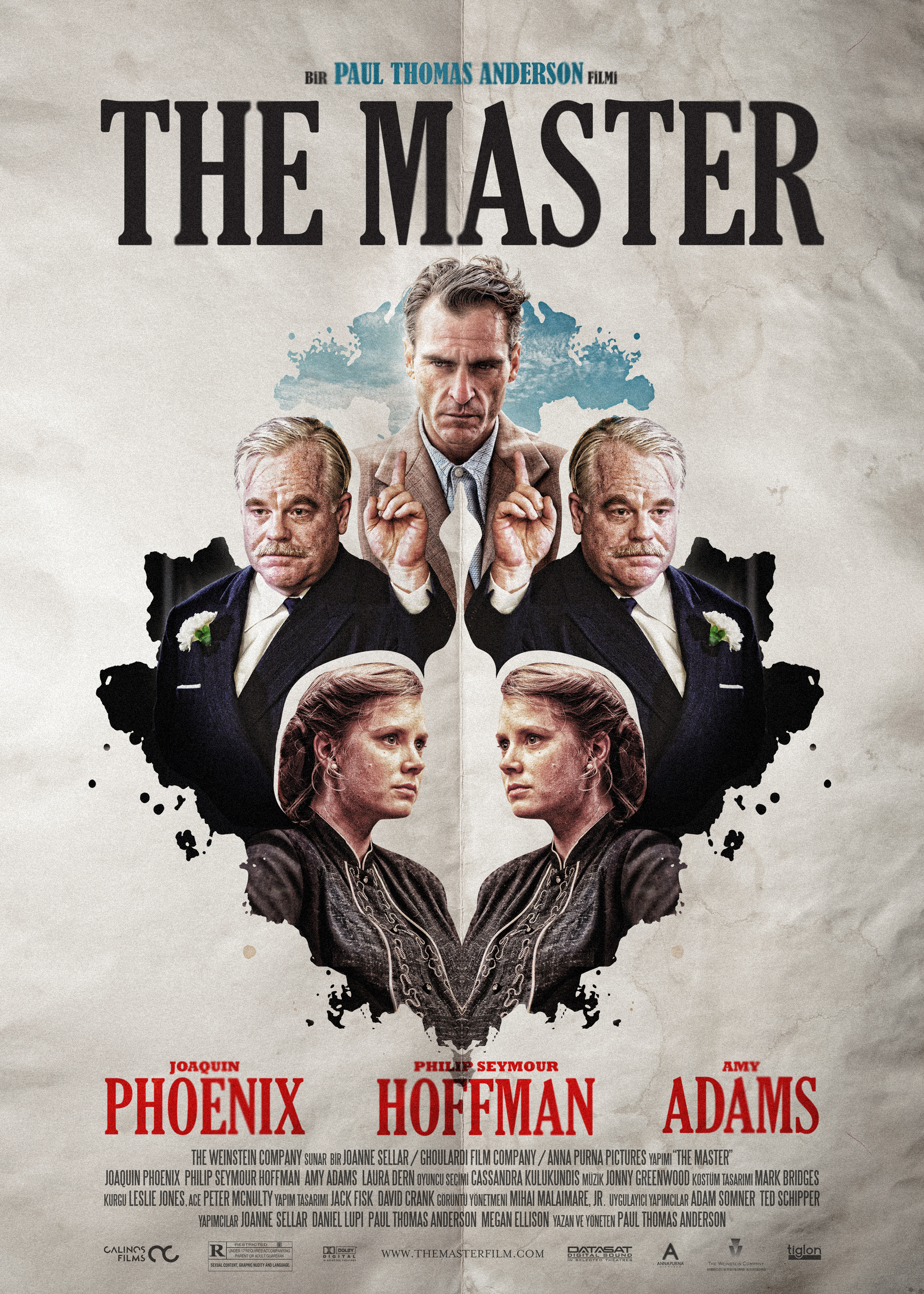
The Master (2012, Paul Thomas Anderson)

Paul Thomas Anderson, after showing total mastery over conventional storytelling in films like Boogie Nights, dives into the wild and experimental with this film. The Master is unconventional and without a clear structure, but it is far from aimless or unfocused.


The film tells the story of two men and the nature of their complex relationship, along with looking at ideas of faith and destiny. The film is complex and brainfrying but slow and relaxed enough to wash over the viewer. I hate using this term too much because I feel it gets thrown around a lot, but this film is truly an incredible experience.


A Field in England (2013, Ben Wheatley)

Easily the least accessible and hardest to describe film on this list. A Field in England is a drugged out and alienating experience, dripping in horror and comedy alike.

Basically, there is not a single other film on this list that comes even close to this films strangeness, yet its power is incredible. The film chills, amuses and utterly horrifies, there are moments from this film that are truly burnt into my memory. 

Just, tread carefully with this one.


Her (2013, Spike Jonze)

Spike Jonze interests me. I would personally consider the first two films Jonze directed to be less attributable to Jonze himself and more screenwriter Charlie Kaufman (who also wrote Eternal Sunshine of the Spotless Mind). So when their collaboration ended in the early 2000's, it would be reasonable to assume that Spike Jonze would slip away.

However he then comes along with this utter masterpiece, a film so sweeping and intense in it's emotions and so utterly stunning in its visuals that it takes my breath away to even think about. I am deeply sorry for any dismissiveness I or anyone else may have had towards you Spike Jonze. 

And an extra mention has to go to Arcade Fire (A band I really like) for creating the best soundtrack in a film in recent years.

Oh, this alongside The Master transformed Joaquin Pheonix into possibly my favourite living actor. He is just incredible.


The Tale of Princess Kaguya (2013, Isao Takahata)

Isao Takahata is one of the all time unsung heroes of animation. I love every single thing about this film, to the point where I don't really want to write about it. Just please see it, please. I have never cared more for a character in my life, by the end of this film I was literally screaming internally for things to turn out ok for Kaguya.

Possibly the most beautiful looking film ever made, and dripping with the things that make me love film. Emotion, beauty, poetic storytelling. There is probably no film on this list that I want to be seen more, especially considering that it is the unfortunate swansong to the greatest studio in animation history.


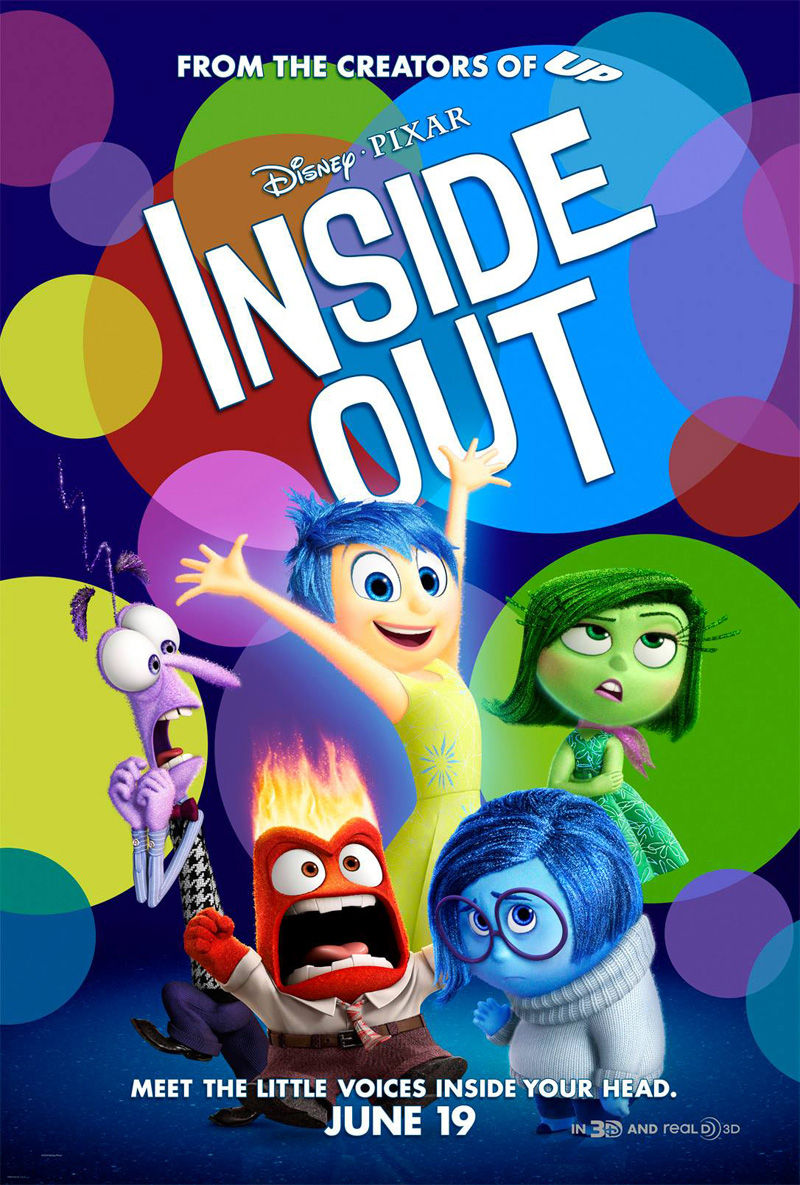
Inside Out (2015, Pete Doctor, Ronnie Del Carmen)

Pixar is a strange entity in the world of animation. Incredibly talented, both artistically and technically, yet somehow a little cold. There is something a little detached and anonymous about them when compared to a studio like Ghibli or even plain old Disney.

Inside Out blew me away however, and represents the biggest leap I could have possibly have hoped for the studio. A film as psychosocially intelligent as it is visually stunning, just mindblowing to see on the big screen.

There are films which genuinely have the power to change the world, and that's what I want Inside Out to do. I want, no, demand that the way society views animation (and film on the whole) matures. We need to challenge ourselves in art or we will begin to roll backwards. I believe Inside Out represents a way forward, and with its success, maybe animation will be used for more in the west than a thing to distract children. 


By Jack D. Phillips

Sunday, 6 December 2015

My Favourite Films (Part 6)

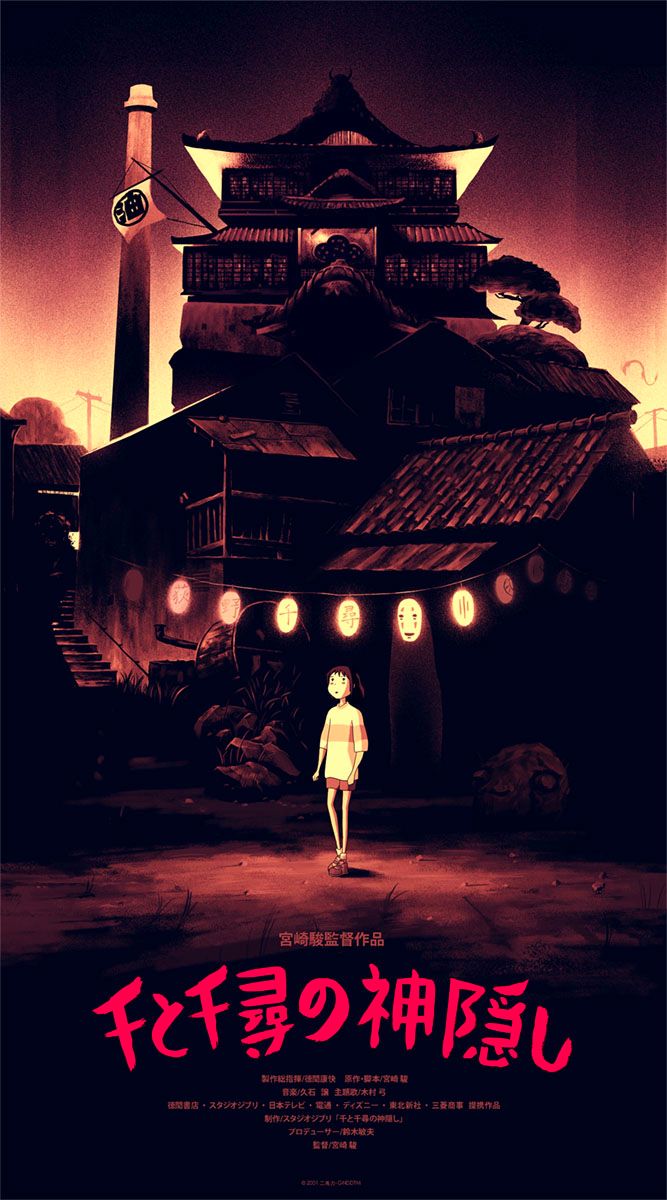
Spirited Away (2001, Hayao Miyazaki)

Much like Martin Scorsese, Miyazaki is a beyond legendary director who's filmography I obsessively consumed in a fairly short span of time. Also like Scorsese, it has been a fairly long time since this phase of obsession so I feel uncomfortable putting many of his films on this list despite my love for them.

Spirited Away is different however, my history with this film goes back further than probably any other film, having watched it around half-a-dozen times since I first watched it as a child. 

I love everything about this film, to the point to where it has become more a part of me than anything else. I see this film everywhere, I can't even describe how differently I would have developed as a person if not for this film.

Nothing more to say about this majestic film, other than you should watch it.

Tokyo Godfathers (2003, Satoshi Kon)


A fast, wild and totally engrossing comedic-adventure. A masterpiece of an animated film which manages to combine the amusing antics of a film like Blues Brothers with deep and touching character and heart.

I adore films that are able to turn their settings into breathing characters, and this film is one of the strongest examples of this that I can think of.

A beautifully told story, topped off with one of the best climaxes in any animated film.

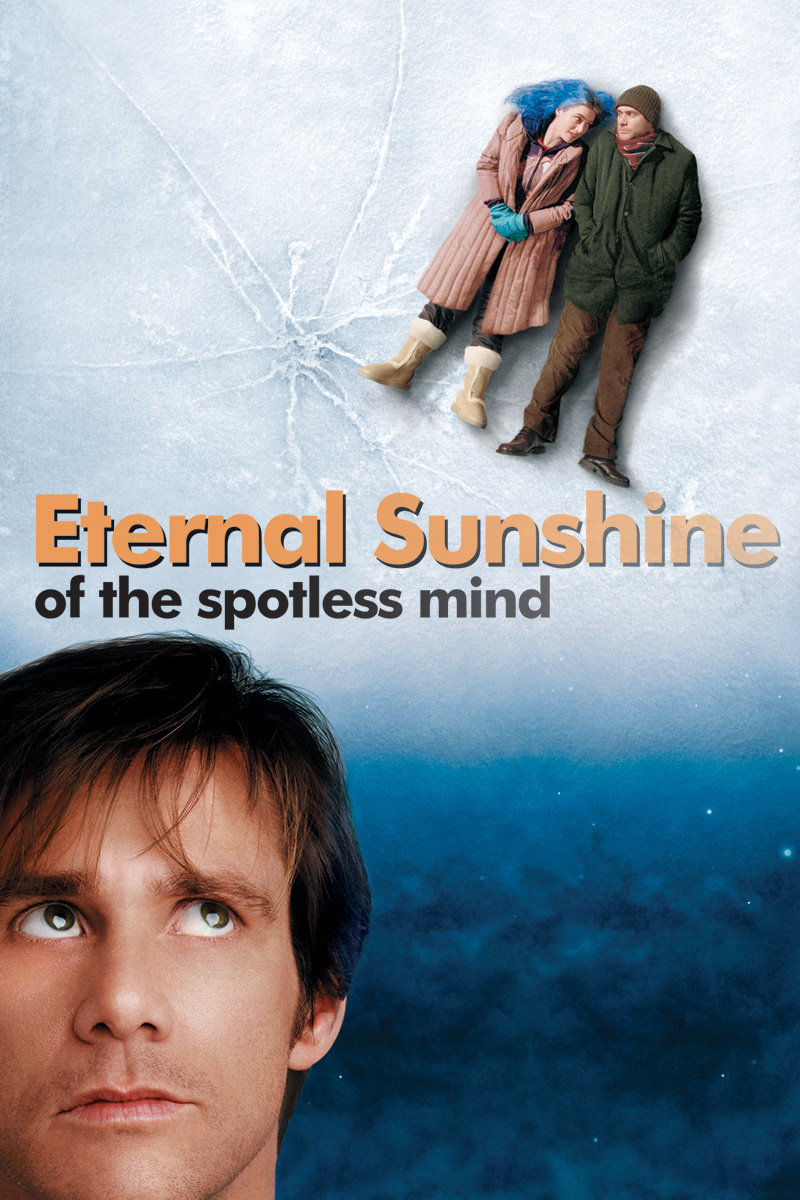
Eternal Sunshine of the Spotless Mind
(2004, Michel Gondry)

This film is hard to talk about. It has more power over than any other film I can think about, with simple images and sounds from the film being able to reduce me to putty.

If Rashomon isn't my favourite film then it has to be this one, I simply adore everything about it. From Charlie Kaufman's utterly perfect script, to the stunning and heart wrenching script, to the amazing performances from the entire cast. Everything in this film works. Even the soundtrack, quite possibly my favourite soundtrack of all time, can reduce me to a whimpering fool if I  am exposed to it for too long.

To sum up my feelings for this film, I was once so enraptured by it that I watched it twice, back-to-back, in one night.


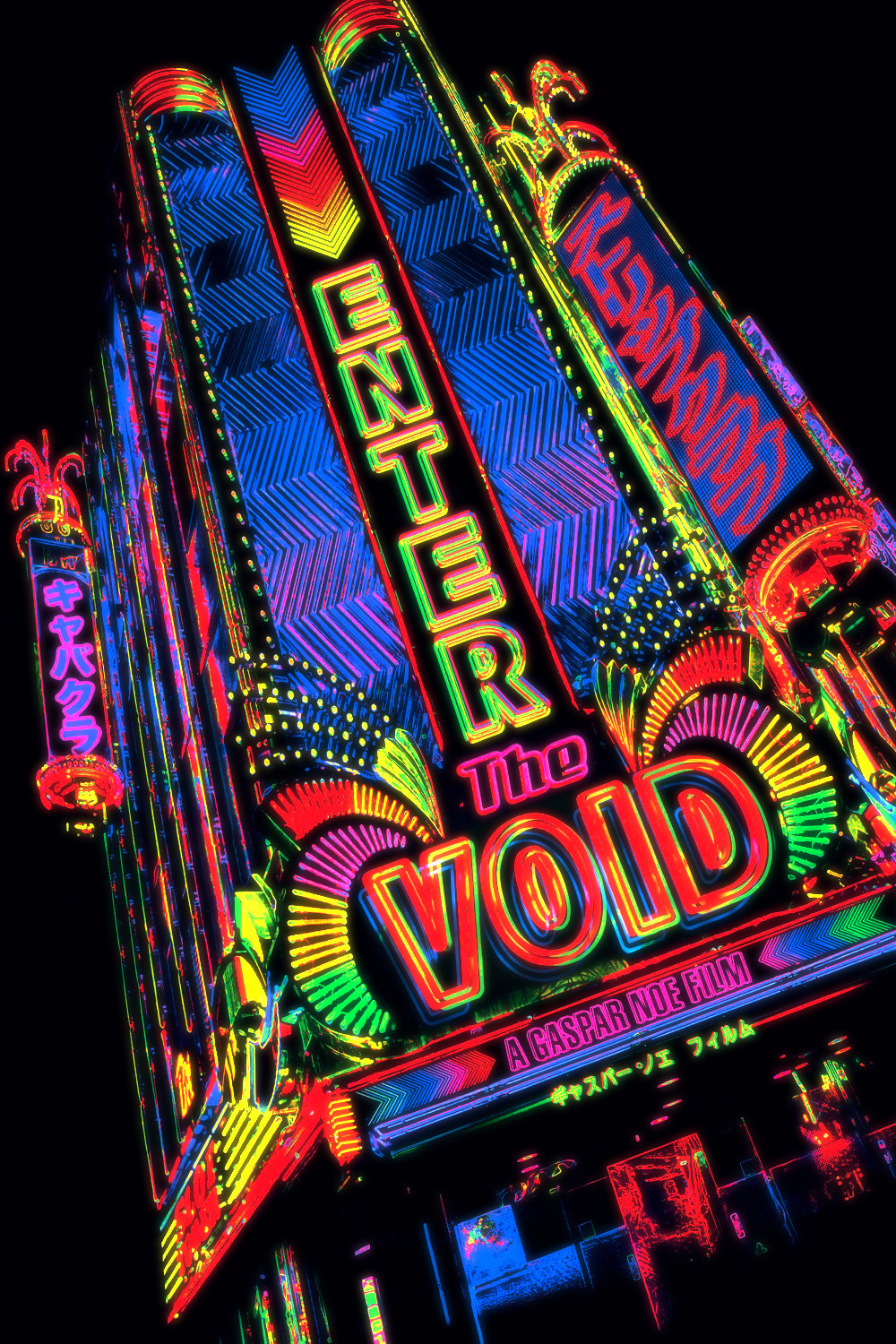
Enter the Void (2010, Gasper Noe)


This film kind of scares me a little. It is a voyage into a a dark, dirty and blurry world which does not hold back in any way.

One of the most ambitious and gloriously pretentious projects in the history of cinema, yet despite it's pretensions it is able to tap into something very human and touching.

A true technical triumph in both the craft of film, and the art of cinema.


It's Such a Beautiful Day (2012, Don Hertzfelt)

Don Hertzfelt is easily my favourite film maker working today. I can't do his work anywhere near justice in words so I can only beg you to watch some of his short films, easily available on Youtube. Seriously, get out of here, go now.

If you want to hear what I think about his (currently) only feature film, here it is. It is basically the antithesis of Enter the Void. Not pretentious or technically extravagant in any way, the main character is a damn stick-figure for christ's sake! However the film still manages to be one of the most touching things I have ever seen, and Hertzfelt does things that I have never seen before in my life with some basic B/W photography and some line drawings. In fact, this is another film that manages to contest Rashomon as my favourite feature film of all time.

I am utterly obsessed with Hertzfelt, and if there is a single artist on this list that I recommend you check out it has to be this one.

By Jack D. Phillips

Monday, 30 November 2015

My 30 Favourite Films (Part 3)

F for Fake (1973, Orson Welles)

Where Citizen Kane started Welles' career with an incredibly told and beautifully crafted narrative masterpiece, this film ends his career on a less conventional note.

Totally non-linear, and without a any kinda of typical structure, yet still totally coherant and engrossing. A film in which every single cut sizzles and pops with interest and style, probably the most interesting documentary film I have ever seen. 

Welles truly was an incredible artist, and despite his own self-deprecation in this film, totally worthy of the praise he is given.


Taxi Driver (1976, Martin Scorsese)

As of the time of writing this list, I have only just begun the process of rediscovering Martin Scorsese. Having watched (and loved) many of his film a fair while ago, I have begun to work my way back through his filmography with this film.

And hot damn it's amazing. Possibly the most beautiful depiction of an urban setting in the history of film, garnished by Bernard Hermann's beautiful and bold score, and anchored by the simply incredibly Robert De Niro.

It fascinates me how audiences must have reacted to this film back in the seventies. This must have seemed like a feral beast entering their multiplex.


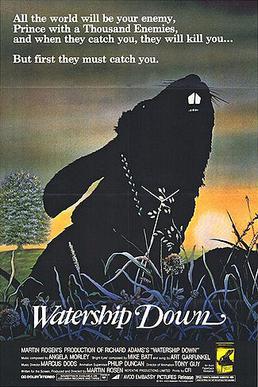
Watership Down (1978, Martin Rosen)


The first animated film on this list and a truly beautiful one. One of the most emotionally complex films ever made, ranging from serine joy to jagged existential peril without any kind of inconsistencies in tone.

Nature has never been so stunningly animated nor as characterised in its own right. You feel the personality of the countryside in this film.

Also, the sequence with Art Garfunkel's beautiful song 'Bright Eyes' is easily one of the greatest pairings of music and image I have ever seen.


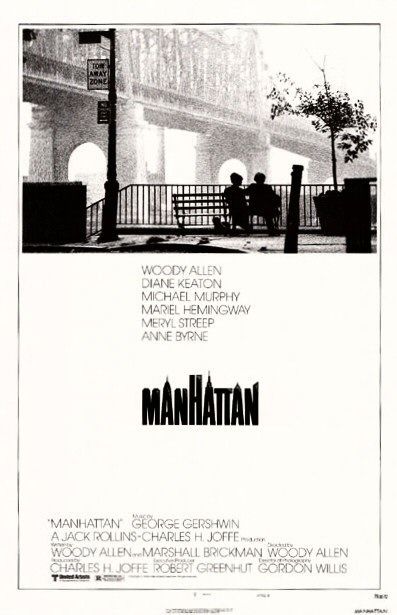
Manhattan (1979, Woody Allen)


It hard for me to describe why I love this film so much. When compared to Annie Hall (which was also considered for this list) this film is far less realistic in its depiction of love in the modern age, but I think it this shunning of realism that makes me love it so much.


Allen creates what might be the purest and most optimistic portrayal of romance that has ever been made, a story in which the message is simply to be with the person you love and screw what everyone thinks. 
Beautifully photographed and scored with the excellent music of George Gerschwin. This is a film that is certainly in my sights for a rewatch soon.

By Jack D. Phillips

Sunday, 6 September 2015

Ocean Waves (1993)

 A touchingly simple look
at youth, dripping 
with detail 
and authenticity.


Ocean Waves is one of the least talked about of all Ghibli films, and it is fairly easy to see why that is. It was not originally a theatrical release, rather a TV movie, and it deals with a radically different subject than most other Ghibli films, the drama of teenagers entering the responsibility of young adulthood. There is none of the fantastical magic that has become so ingrained within the identity of the studio here, and so it tends to get lost and left behind. I however do not feel that this is fair, for despite being radically different in pace and tone to it's siblings, there is something genuinely magical and powerful about this film, and in fact I would use this film as a prime example of Ghibli's power.

For a start, the attention to detail in this film is remarkable. The narrative's framing device is that a University student upon glimpsing a familiar figure on a train station begins to recall his sixth-form days. There are several moments where the film focuses on small elements of the environment, for example a man smoking while on a break from the kitchen he works in, or some pigeons flying around the entrance to a shopping mall. These details bring the environment to life and adds a nostalgic air to the entire narrative. The film is paced like a series of individual memories played in sequence, with significant time leaps between or even during sequences, and these details tie everything together. The individual memories are preserved in such detail and candidness, just as important memories are in real life.

The film is also beautifully written. Although I do not think naturalistic is the right word, there is something real and human about the way these people are written. The situations and scenarios are familiar and simple yet never feel dull. The dilemmas and relationships of our lead character flow and fold into each other realistically, yet the framing device and time lapses allow a satisfying and dramatic pace to be maintained.  There is something composed and relaxed about the film which I can only presume comes from it's roots in television. There are no contrived set-pieces, a flaw which can sometimes ruin the endings to some of Ghibli's more relaxed films (most notably Kiki's Delivery Service) in my opinion.

There is just something beautifully refreshing about this film. Even it's title brings to mind a soothing and revitalising excursion to a beautiful little world. When Ghibli gathered a bunch of it's younger talents and told them to make a film, I cannot think of a better way their unique voice could have been used. One final thing I wish to bring up is the film 5 Centimetres Per Second, which is also a fabulous animated film about reflecting on youth. It was on my mind a lot while watching and writing about this film, and although the two cover a lot of different ground, they work wonderfully as companion pieces. Of the two however Ocean Waves is easily the more consistent and overall affecting, as it gave me a lot to chew on over the few days following.

By Jack D. Phillips
A Zoom Film Review

Thursday, 20 August 2015

Hannah and Her Sisters (1986)

Everything wrong with
Woody Allen as a director
is on display here. 
However the
strength of it's cast is 
just enough to make it tolerable.


I am a pretty huge fan of Woody Allen as a filmmaker. This makes the fourth film of his that I have seen, and up to this point I have been nothing but impressed. In particular I would consider Manhattan to be one of my favourite films of all time. As a result, it was sad that this film disappointed me so severely. Particularly as this seems to be one of the more well known film of Allen's career. Not only is this undoubtedly the weakest of his films that I have seen, it also showcases all of his most glaring weaknesses as a storyteller.

Although I probably sound harsh at this point, I should make it clear that I do not hate this film. In fact I wouldn't even be able to fully commit to calling bad. This is due almost entirely to the strength of the performances. The cast is incredible, probably the reason why this film has endured as much as it has within the film community, featuring Woody himself, Carrie Fischer, Mia Farrow and Michael Caine amongst other well known talents. Every single performance in this film is strong and in many cases the actors are able to significantly raise the quality of the material that they are given (more about that said material later). I will give particular praise to Michael Caine, for he gives a sensitive and subtle performance and truly lights up the screen with his presence whenever he is shown. It is a shame that Allen film decided to use an ensemble style narrative with this film, as it means Caine's character is reduced to that of a supporting player. If he and Mia Farrow (who is also very strong here) were at the centre of this film's narrative rather than loitering in it's suburbs , it would probably have been for the better.

The film's biggest problem is it's screenplay. I general like Allen's writing style, as he has a very unique and articulate voice and knows how to pace a film narrative well. He is also highly self-conscience, with many of his funniest or most powerful scenes coming from his own critical eye over himself. All of these positive aspects are notably absent from this film, which is self indulgent and, above all else, boring. This film feels at least two or three times it's length, I could literally not believe how short the film was when I checked the back of the DVD. In the end, this tiring and monotonous pace cements the film as mediocre to me. Every strong element that this film offers is lost in the monotony of it's narrative, and that is a real shame.  Aside from this perceived length problem, Allen is at his most narcissistic here. His self-deprecating humour is gone here, and without it he becomes quite unlikeable as a performer. Rather than lovable he is annoying, and he is way to prominent in the films overall narrative. I personally feel Allen should have stayed behind the camera for this one.

The film's overwritten script also manages to lessen the effects of the performances at times. There are scenes where we see characters quietly contemplating their situations, the emotional impact of the moment being sold by the expressions on the actors face. For some reason however, Allen decided to overlay these scenes with dull and dense narration, explaining  away the emotions that the actors are already conveying visually. This undercuts the effect of these moments and lessened my relation to the people on screen, because the film was not allowing me to interpret anything. This lack of audience involvement, furthers the boredom that the film instils.

I cannot call this film an absolute failure. It was still mildly entertaining and the film has some pretty great moments. Although I have no intention of watching this film again, and I would not recommend it for a moment, it is ultimately harmless and average.

By Jack D. Phillips
A Zoom Film Review

Monday, 6 April 2015

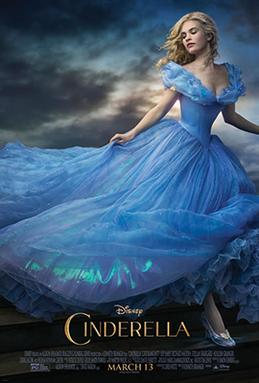
Cinderella (2015)

An earnest
and entirely
wonderful film.
A genuine surprise.


I did not have particularly high expectations for Cinderella. It seemed like yet another uninspired and tired attempt to leech money from a classic IP without any understanding of how and why the original worked. This assumption was incorrect, because this film is simply wonderful.

The most significant aspect of the film's success can be found in how earnestly it is done. Director Kenneth Branagh delivers this film with complete sincerity, as if the story has never been told before. This means that rather than competing in the silly game of  grim/dark one-up-man-ship that so many other fantasy reboots do at this time, it focuses on simply telling it's story as well as it can. Branagh is known for working with his actors throughout the creative process, placing huge significance upon their performances (this is appropriate as Branagh is an actor himself and previously specialised in films based on Shakespear).

 The result is a film wherein every actor delivers a performance more committed than we have come to expect from films of this type. Lily James is fantastic in the title role, embodying the film's moral core of courage and kindness in every scene. Her deeply emotional and expressive delivery was a shock to me, and heavily contrasts with the blank and almost lifeless animated equivalent. Richard Madden is also great as Kit (the prince), giving a remarkably dedicated performance as a young and strong willed man attempting to do what is right for himself, whilst keeping to his responsibilities and commitments. Derek Jacobi is very good as the King, showing a warmth and wisdom that is delivered entirely through his posture and highly expressive eyes. However the performance that is receiving the most attention is from Cate Blanchet, as the stepmother. I will admit here that this is one of the few elements of the film which is somewhat lacking in comparison to the original. The stepmother from the original is a genuinely menacing and visually striking character, more than worthy of becoming as iconic as she has. Blanchet does a great job in her own right, having the perfect poise and delivery to sell the cruelty of the character, however she cannot match the hand-drawn original.

The film's story is deeply fascinating to me. Chris Weitz chooses not to darken or significantly change the story in any way, however he refocuses it. In retrospect, the original film is filled with filler material and cute comedic relief, the majority of which is cut here. However a far greater emphasis is placed upon deepening the story, which is the key word to summarize this film. It is deeper than the first rather than darker. Many other fantasy reboots or re-imaginings choose to needlessly darken their stories, attempting to 'modernise' the tales by shoving in ideas and imagery more fitting of Game of Thrones than an fairytale. They almost seem embarrassed about what they are. Cinderella is not ashamed however, and so rather than darkening it's story needlessly it decides to explore character and relationships. The prince is given a complete arc and a fully realised character, who as I previously mentioned is portrayed beautifully. The stepmother is not given an unnecessarily diabolical edge (cough Queen of Hearts in Tim Burton's Alice in Wonderland reboot, cough) however more context and insight is given into the character. Most filmmakers in this trend mistake darkness for depth, and that by adding and unnecessary and bleak back-story to a character we will care about them more (Maleficent). I cannot praise this film enough for how it avoids this erroneous trend, which is becoming more and more of a cancer on current American cinema.

On a simpler note, the film looks stunning. Branagh cares about setting, and so he clearly went to great lengths to build some wonderful sets. CGI is minimal to nonexistent, and the use of lighting and colour to portray emotion is top-class. The size and shape of the sets are particularly impressive, reflecting the state of the plot and characters nicely. The film has a good pace thanks to some solid editing, and is overall and absolute joy to watch.

In conclusion, I love this film. I was beaming from ear to ear throughout and left totally satisfied. I desperately want this film to become a children's classic, as kids deserve something that respects them and is not embarrassed to be made for them. The film even almost got me to cry during it's most potent scenes, and I believe this is a highly mature and highly impressive work of film form. Congratulations Kenneth Branagh.

By Jack D. Phillips
A Zoom Film Review


Monday, 9 March 2015

Der Golem (1920)


Flawed in some
aspects, yet still
a potent and fascinating
slice of expressionist
horror.


Der Golem ist sehr gut!

Literally two years of GCSE German on display there people, pity me.  Anyway, Der Golem is a very effective and highly influential  German silent horror film. It is perhaps most well known for it's impressive use of expressionist production design and the large role it played upon the seminal filmmaker James Whale in the following decade.

Der Golem is sadly the only remaining film in an intended trilogy of fantasy/horror films based around the titular character, all made by actor/director Paul Wegener.  Wegener stars in this film as the Golem himself, and is able to hold the film together with his highly entertaining portrayal of the Jewish myth. Wegener portrays the Golem exactly as I imagined, treading a fine line between an animated statue and a sapient, bestial monster.  Wegener's excellent physical and facial acting, along with the top-notch makeup, make this character such an icon of the silent era. However, one of the film's largest issues stems from how the film underutilises it's titular character, for the Golem is truly the most compelling aspect of the entire film.

Outside of the Golem itself, the film boasts some truly inspired sets, some of the most ambitious and grandiose examples of German expressionism out there. The way in which these sets interact with the film's incredibly eerie and effective lighting is worth the viewing by itself. The costume design is also quite charming, acting as an elegant extension on the film's themes of class and prejudice and are also appropriately exaggerated to match the wild sets and environments..

Despite these various high positives, the film suffers from several key flaw beyond the surprising lack of the titular Golem. These namely come in the form of length and pacing. I feel the film is quiet a bit too long for what it is, filling it's running-time  with a pointless 'love-triangle' subplot that does nothing other than detract from the films other elements. Despite the irritating amount of time this subplot swallows, it remains poorly developed and really worked to pull me out of the experience. The subplot ends in a comically simplistic fashion and ultimately adds to little that I could see. If the entire romance element was removed (I think it takes around 10-20 minutes in it's entirety) and replaced by another ten minutes with the Golem itself, I feel the film would be tighter and more poignant. 

Overall however, the Golem won me over with it's ambition and it's charm. It's final scene is actually a wonderful resolution to the narrative with some lovely imagery. Most of my grievances were forgotten whilst watching this conclusion at it left me with a joyful smile, which is the effect the entire film had on me overall. I recommend you check this film out on Youtube (be warned however, the Youtube version that I watched has a highly irritating soundtrack which looped awkwardly twice. It didn't watch the action on screen and only distracted from the film itself).

By Jack D. Phillips
A Zoom Film Review


Wednesday, 25 February 2015

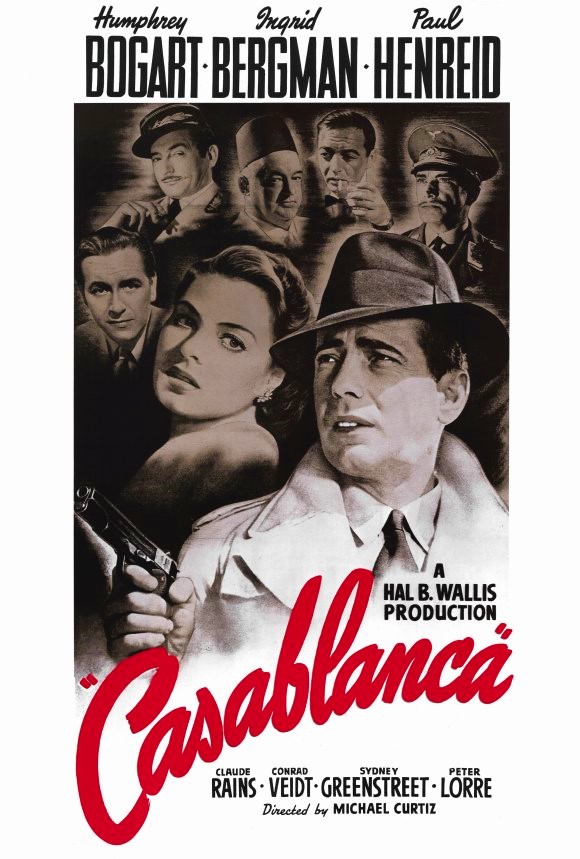
Casablanca (1942)

It's Casablanca. What do you 
expect me to say?


What could I possibly say about Casablanca? If I were to pick the one 'movie' that enters people's mind when they think of 'movies', it would be Casablanca. It launched Humphrey Bogart into legendary status, became the benchmark for literally hundreds of movies which followed, and is often considered one of the best films of the entire 1940's by fans and critics alike. So why is this film so universally loved? Even films like Citizen Kane are rejected by some despite their legendary status amongst critics. However Casablanca is basically hated by nobody. 

Casablanca laid down the groundwork for so many genres that still exist mostly unchanged to this day. Romances, mysteries, thrillers and drama in general. It's influence truly does continue to be felt over seventy years later and I would probably call this film the first 'modern movie'.

The main reason n my eyes for this timeless influence is the screenplay itself. Innumerable better critiques of this screenplay have been written and so I will not bore you by giving my worthless attempt, however it is truly magnificent. Absolutely perfect pacing, to the point where I could imagine myself watching it several times over in one sitting before getting even remotely bored. It remains constantly exciting, grows increasingly more engrossing as it goes on and kept me truly invested in what would happen next. It feels cliche' to say, but Casablanca truly is one of the best screenplays of all time and laid down a foundation so concrete and sturdy that it still hasn't been abandoned to this day.

Casablanca is also the host for a stunning banquet of great performances. Claude Rains (otherwise known as the most underrated American actor of the 1940's) is excellent as the joyfully corrupt and eternally likable police constable. Peter Lorre is fantastic as always in a small but highly significant character role, as is Paul Henreid in a role that acts as a pathotic and war-scarred foil to Bogart's lead. The final significant part of the supporting cast is Dooley Wilson, who despite being a black actor in a time which was historically very unkind to black people, gives one of the most likable supporting performances I have ever seen. He is the fountain from which much of the film's romantic charm is drawn and he is nothing short of legendary in this film.

Ultimatly however, it is the job of Ingrid Bergman and Humphrey Bogart to carry this film, and they carry it effortlessly. The two have chemistry which is so magnetic it is hard to believe the actors did not actually have feelings for each other, and their respective charms are responsible for perhaps the most quotable dialogue in any film I have ever seen. Bergman's youthful yet powerful will paired against Bogart's worn-out charisma is a match which has seldom been matched since, and is a must see for any filmmaker intending to base their work off a relationship like this.

In the end, Casabalanca is everything I was promised. Quotable, memorable, exciting, endearing and truly immortal. This film will live on in the heart's of myself and thousands of other film fans for years to come and such perfection has rarely been achieved since.

By Jack D. Phillips
A Zoom Film Review


Friday, 2 January 2015

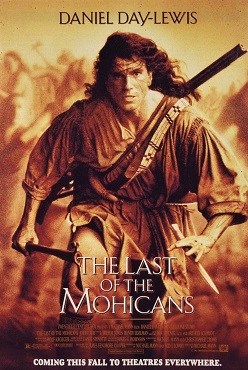
Last of the Mohicans (1992)

An enjoyably complete 
action epic,
with a magnetic lead actor
 and a layered climax.


Last of the Mohicans is one of the more lauded action films of the early 90's, as well as one of Michael Mann's most renown films. In my opinion, although certainly very strong, this film is far from a masterpiece.

The most eye-catching element of the film, at surface level is, the presence of multi-award winning actor Daniel Day-Lewis. This actor has produced some legendary performances in his illustrious career, so it is therefore justifiable to expect another strong performance here. He does deliver, bringing believable gravitas and strong expression to the role, however I would hardly hold it as one of his all time great performances. He is a likable action star and does his job well, but he did not electrify me as he has before. The rest of the actors do a decent job, getting enough development to justify them being there. Wes Studi did a particularly good job as the film's villain and is believable in every scene he is in. However, Maurice Roeves did grate on me, with a dull and one note performance that ultimately overstayed it's welcome. The acting is overall above average for a film of this type, and serves it's purpose well.

The cinematography of this film is very strong. Mann clearly understands his genre well, and every action scene is shot perfectly. A large battle sequence just over halfway into the film was particularly impressive, and was by far the film's standout moment. Mann also uses the film's setting to his advantage, often framing shots through flora to immerse the viewer. It's quite effective, and overall I felt the film was shot very well for a film of this type. Combine this with solid costume design and lavish set design, and you have a film which certainly feels epic in it's visuals.

The storytelling is epic in scale also. The screenplay is well paced, containing all the things one would expect in this genre done well. Romance, betrayal, redemption, etc. It is a good screenplay overall and keeps the audience engages throughout. Good dialogue and clear cut characters, also testify to the quality of the script. Overall, although hardly a classic screenplay, it is certainly an effective one, and serves the movie very well. I must also praise the film's excellent climax. It was well layered and featured emotions and consequences unknown to lesser action film. My opinion on the film were raised significantly after the climax and I was honestly quite impressed.

In conclusion, Last of the Mohicans did not blow me away. However I did enjoy my time with it and am glad I watched it at the very least. I recommend it for what it is, a high quality action film with epic scope and scale.

By Jack D. Phillips
A Zoom Film Review
Thursday, 1 January 2015

Brokeback Mountain (2005)

A sensitive and beautifully
 acted emotional epic.
 Sadly lowered from greatness
 by a selection of notable flaws. 


Brokeback mountain is often regarded as one of the most important films released in the last decade in terms of it's social relevance and impact. It is also often cited as a prime a example of the incompetence of the Academy, namely the fact that this film did not win best picture over Crash (A film which I despise), a far weaker and less significant picture. In hindsight, it is undoubtable that the Academy made an error. Crash is a pathetic and empty film with nothing of relevance to say, whilst Brokeback is a fairly wonderful film with some astonishing elements. Not perfect, but still very good and would have made a worthy best picture in 2005.

The film is largely centered around it's two primary performances from Heath Ledger and Jake Gyllenhaal. They are both truly fantastic in portraying two passionately in love men, with deep and relatable doubts and worries concerning their sexuality. Gyllenhaal is far more expressive and active in his performance, showing greater confidence with his sexuality and is far more active in keeping the secretive relationship alive. However possibly even better is Ledger's highly reserved and introspective performance, showing a greater fear of reprisal and shows less certainty as to what he wants with his life. These lead performances are truly outstanding and deserve all the praise they receive. Michelle Williams is also fantastic in the film's most notable supporting role, earning audience sympathy and perfectly engrossing the audience. She actually deserves more praise, for I rarely hear this aspect of the film being highly praised.

The film is also absolutely stunning in terms of visuals. The luscious shots of the mountainous landscape and the sheer scale of every single frame is honestly breathtaking. Shots such as Gyllenhaal staring into the gorgeous and liminal forest while contemplating his deteriorating relationship, or the two herding sheep after their first night together, belong on a wall. The film is genuinely one of the best shot films of the last decade and is a milestone in dramatic storytelling assisted by breathtaking scenery.

Most importantly however is how the film deals with it's socially volatile subject material. Although I am hardly an expert on the subject, the portrayal of homosexuality seemed to very legitimate and portrayed the emotions of confusion and angst over the couples forced repression beautifully. The weight and consequences of the situation were well displayed and I was hugely satisfied by this film's portrayal of the issue.

However despite these high praises, the film is held back from true greatness in my eyes by some heavy flaws. Firstly, Anne Hathaway's character seemed to have been totally wasted.  Unlike Michelle Williams, who plays the wife of Ledger's character, we see very little of the relationship between Hathaway's and Gyllenhaal's characters. I have little clue as to why this element was so glossed over, especially seeing as she was billed higher than Williams despite the far less screentime and significance. The relationship reeks of wasted potential and the few scenes that do feature Hathaway feel like a waste of time in the film because of this. In addition, a few other characters seem largely superfluous within the film, and they are also played by distressingly mediocre performers. There are some other minor issues also, some scenes I would have moved around in the screenplay, a confusing subplot that goes nowhere and so. These minor issues do build up, especially the one concerning Hathaway, and do significant damage to the film on the whole for me.

Overall, I greatly enjoyed this dramatic epic, and although I do not hold it as one of the best films of the 2000's, as some do, I do think it is a great film. My largest grievance though, is that it could have been a masterpiece, but some noticeable weak links hold it back. This is my favorite film from Ang Lee however, a director who has more than earned his mass acclaim.

By Jack D. Phillips
A Zoom Film Review

Happy 2015!


Friday, 26 December 2014

Short Term 12 (2013)

A powerful and moving gem.
Simplicity and truth 
blended together. 


This film was a big surprise for me. I was expecting quality and I had heard some praise, however I did not expect anything particularly outstanding. A good lead performance and some decent social commentary, nothing more really. However what I got was a triumph, one of the best films of the last few years and one of the most emotionally mature films I will ever review. It has some rough edges and oversights, however overall I was shocked by how affected I was by this little marvel.

The most important aspect of the film is it's performances. Brie Larson, John Gallagher Jr., Keith Stanfield and Kaitlyn Dever, all are outstanding in their performances. In particular Brie Larson in the lead role, I insist  that she be given further prominent roles in future films. She demonstrates such emotional realism and proficiency in her role. She is the glue that holds this beautiful ship together, and is responsible for so many powerful moments along with the rest of the excellent cast. The cast all work the fantastic script with fluid ease, it really is heartwarming to see so many unknown actors with so much talent in one place.

The film looks great too. On the surface to aesthetic is quite simplistic, safe even. However that simple ambiance allows for a subtle level of intimacy which really assists in delivering the great performances. However despite the simplicity, the director clearly understands film language. This is seen  in the very clever lighting in select scenes, and the frequent use of extreme close-ups to showcase moments of intense emotional turbulence. A one-take rap scene around a third into the film took my breath away drove me to actually shed a tear. A subtle but unbelievably effective zoom throughout the long take reflects on the audience. We are sucked into the characters plight and feel deeply affected. Credit to Keith Stanfield for delivering the best scene in the film and totally knocking it out of the park, he was outstanding.

The film's pacing and atmosphere are incredibly intoxicating. It is similar to reading a gripping novel, this obsession with finding out where each character ends up, this desire to see things resolve. It is really indescribable. These elements are helped by the sparse, but also effective score, which helps to emphasise the hugeness of the onscreen actions. That is perhaps the film's greatest secret, nothing at all is trivilaised. Even the seemingly smallest achievement with the development of the kids, or the smallest emotional victory feels massive. It is an indescribable effect.

The film does have flaws however. I find the character of Nate to be obnoxious, superflous and unnecessary. He is introduced as an audience avatar, however one is not needed here, the film explains itself so beautifully without one, The character does not develop, or truly impact anything, and the actor's performance is perhaps the only grating one in the entire film. In addition I feel the film's magic dims in the third act ever so slightly. Realism dissipates for a few scenes and the effect is lessened because of it. However things pick up by the ending.

Overall, despite these issues, director Destin Daniel Cretton should be showered with accolades because of this film. It seems that every year a small number of indie films are selected to become popular within the mainstream. It is horrifying to see a film as meaningful as this not given this arbitrary honor. I beg of all readers to track this film down on Netflix, because it deserves better than to be a footnote.

By Jack D. Phillips
A Zoom Film Review

Wednesday, 17 December 2014

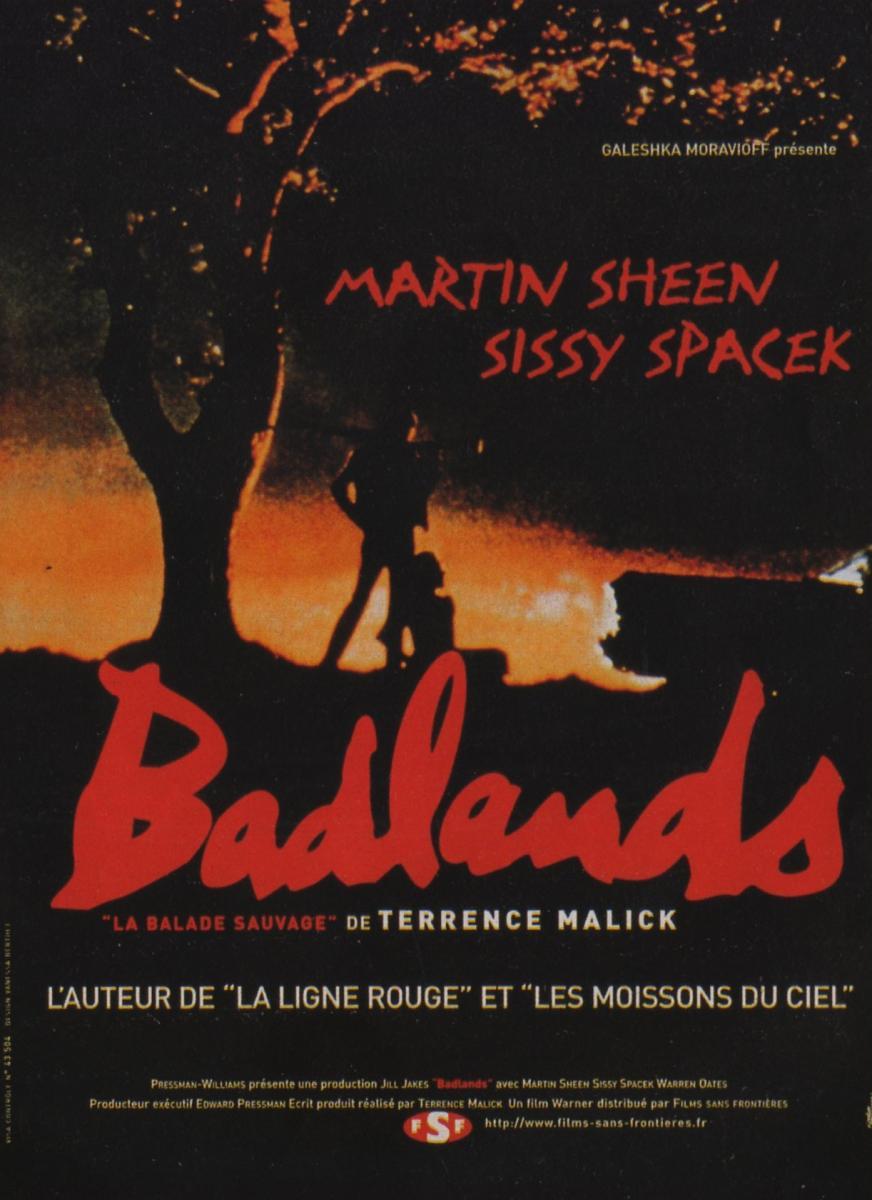
Badlands (1973)

A slow and detached look at
adolescent love and violence,
 through the filter of innocence
 and youth.


I ranked Terrence Malick #1 on my directors I need to see more of list, now I can finally see if he is in fact worthy of the anticipation. Badlands was Malick's debut and is often considered one of the most visually powerful films of the early 70's, certainly no arguments here on that front. However the question with all of Malick film's is whether or not there is any substance behind the beauty.

In the case of Badlands the answer is certainly yes, however the story's execution may alienate some. The film is quite slow, and does not have a defined timescale. The entire film could take place over the course of two months, or two years. For many this can be disorienting, or even frustrating. However the film focuses more on chronicling emotions within a relationship than chronicling the events of a murder spree. More of a study of feelings than a study of murder.

Conveying these emotions are Sissy Spacek and Martin Sheen. Martin Sheen is absolutely phenomenal here. His almost feral mannerisms, innocent outlook on things and intense distance all come together to form an all time great performance. The intense distance in particular reminds me of Ryan Gosling in Drive (2011), perhaps the former inspired the later. Apart from Martin Sheen's captivating performance, Sissy Spacek brings the most contentious element of he film. Whether you hate or adore the film will likely come down to her performance. She shows little emotion and acts as the film's narrator Some may find her unbelievably precocious and annoying, a waste of an otherwise great actor. Where's others will find a subtle greatness in her expressions, and her voice a nice addition to the films superb sound design. I did not really fall into either of those camps, personally finding her slightly irritating but still recognising some clever subtlety from her inflections. 

The film's pace is another fascinating aspect of it's effect. It is very slow, again lacking a cohesive timescale to keep the audience grounded. The film is structured more like a 'road trip', the characters travel from one place to another, and the focus is more on what they encounter and their reactions than anything else. This sets the film apart from other film's about similar subject matter, and contributes to it's very unusual tone. It seems Malick took more inspiration from films like Easy Rider than Bonnie and Clyde. The pace changes the narrative from one about a serial killer and his girlfriend's rampage across America, into one about two young and confused lovers and their desperate attempts to find a place in the world. Whether you enjoy the film or not depends on your acceptance of this unconventional tone and perspective.

The film's minimalist soundtrack also emphasises this innocent and juvenile atmosphere. Large stretches of the film go unscored, again pushing the focus on what were are seeing rather than why we are seeing it. When the soundtrack does appear, it sounds almost like a lullaby or a nursery rhyme. Almost giving the film a fairytale vibe in places.

Finally, as with all Malick films the visuals are king. The naturalistic lighting and colour palette give this film a clean fresh feel. Again, despite the subject matter, gore and violence are never the focus here. The film also puts great focus on nature and landscape, with inumerable shots of such scenery overlaid with narration from Spacek. The film is simply gorgeous, and regardless of how you hold the film's other elements, they show a clear visual mastery from mister Terrence Malick.

Overall, despite some grievances with the pacing, tone and Spacek, I really enjoyed Badlands. I did not get what I expected from this kind of subject matter, and am hungry for more from Malick. A great introduction to the guy's work.

By Jack D. Phillips
A Zoom Film Review