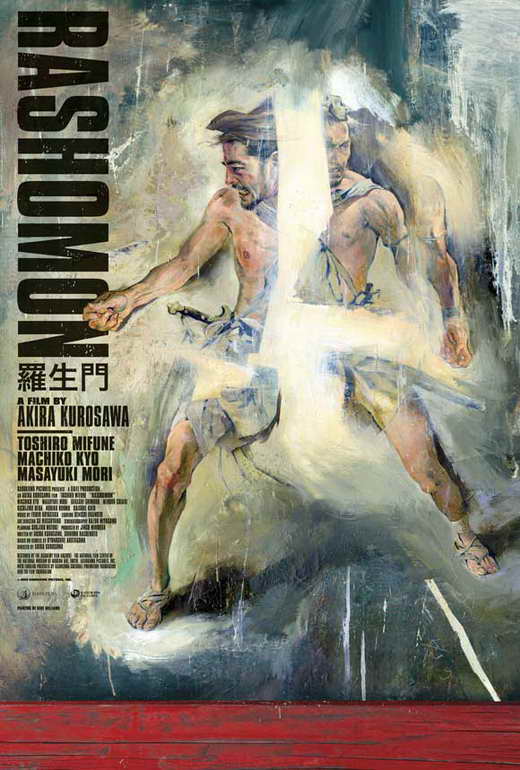
Rashomon (1950, Akira Kurosawa)

I am not too concerned with giving any kind of ranking for this list, however I will be exceptional in this case. Rashomon is probably my favourite film ever made making the the number one film here.
From the very first shot this film captivated me, mysterious and engulfing. Truly my favourite opening of all time.
I love every aspect of this film, from it's genius screenplay, to its amazing performances (Tishiro Mifune is almost literally feral in this film), and the stunning cinematography.
Sheer beauty on celluloid.
Tokyo Story (1953, Yasujiro Ozu)

Ozu is a filmmaker that I am very cautious of. Mainly because I feel I could very easily become totally obsessed with him. His films embody and encapsulate the human spirit like few others, and his eye for detail is exquisite.
I plan on updating this list next year, and if I do expect a lot more Ozu to appear.
This film is simply gorgeous. Tender, solemn and brimming with dignity.
The Bad Sleep Well (1960, Akira Kurosawa)

Yet another Japanese film, and another from director Akira Kurosawa. This is easily his most overlooked film, an incredibly crafted noire with some of the best performances and writing you will see in any thriller.
Psychologically challenging and heartbreaking by the end, with a lot of credit going to Toshiro Mifune, who is always incredible to behold.
Kurosawa took a screenplay loosely based on Hamlet and transformed it into something new and wonderful.
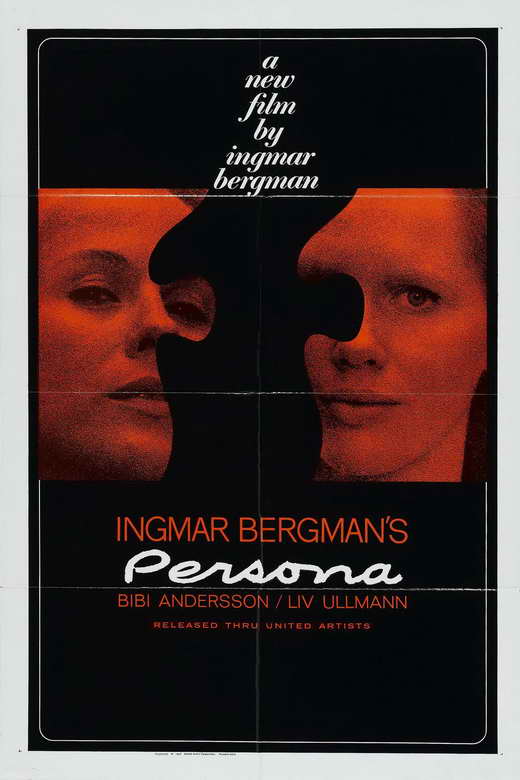
Persona (1966, Ingmar Bergman)

Easily the least accessible film on this list. Persona is disjointed, pretentious and obscure.
It is also revealing, daring and shows the great Bergman at the very heights of his powers. Things are done in this film that astonish me, and terrify me. Probably the sharpest and most daring film on this entire list.
Sadly this is the only Bergman film on the list, I had to be very picky and restrictive on that front. A true shame.
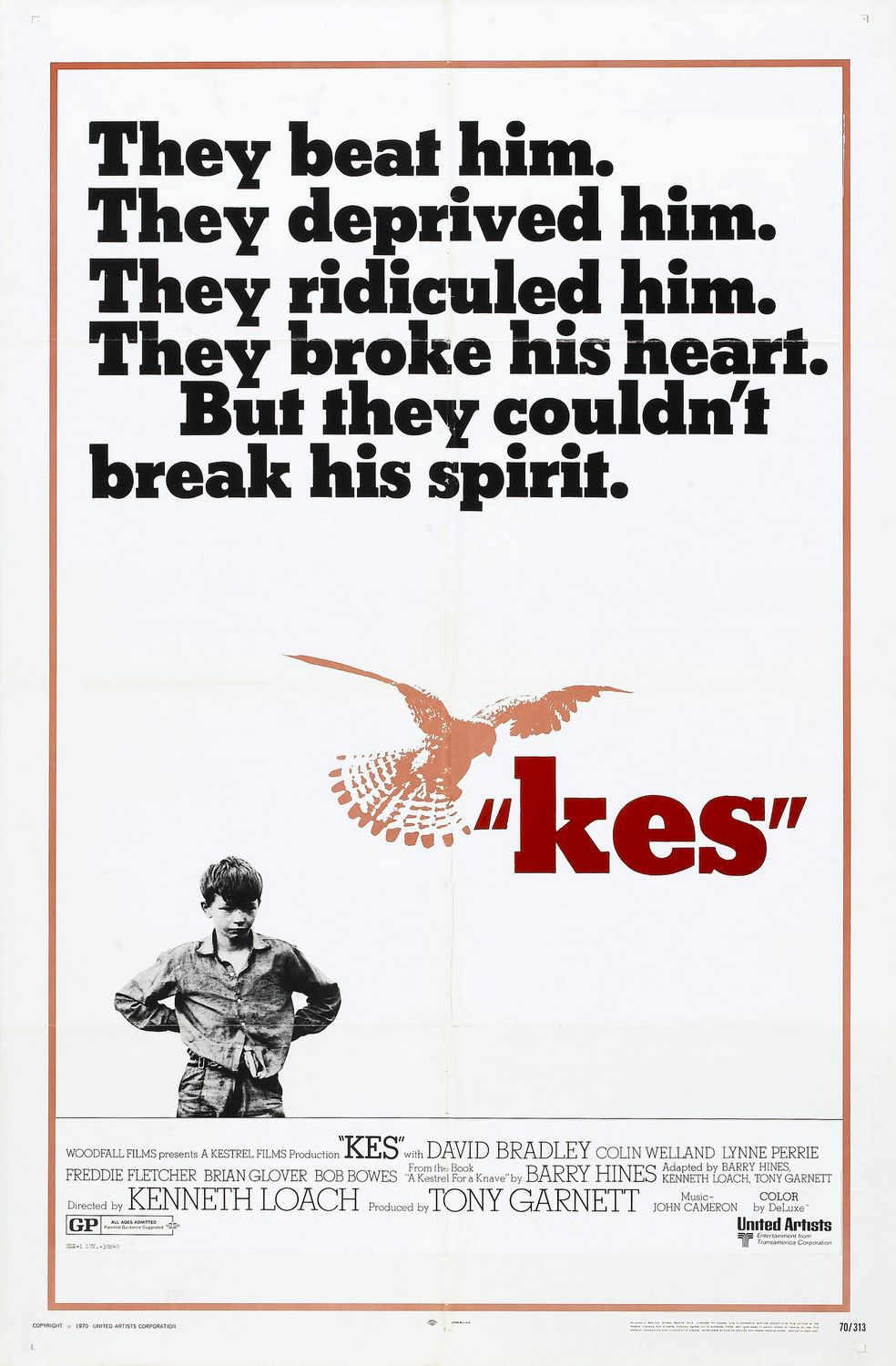
Kes (1969. Ken Loach)

One of the simplest films on the list, along with Tokyo Story. A simple look into the raw human experience of a boy in an impoverished environment.
Heartbreakingly real and filmed with expert care and attention.
Not a flashy film, but one that gives a window into another world, one of the things that films are amazing at doing.
By Jack D. Phillips
Next is my favourite decade in all of cinema, the 1970's.
To celebrate the one year anniversary of this blog, I will now list my favourite films of all time. I simply adore every film on this list from start to finish, and it was ridiculously hard to narrow it down to only thirty films.
Also, I have disqualified any film that I have not seen within at least two years, below are a the films that may have made it on here if not blocked by this rule.
M (1931)
Ikiru (1952)
Seven Samurai (1954)
The Godfather (1972)
The Wicker Man (1973)
Apocalypse Now (1979)
Raging Bull (1980)
Goodfellas (1990)
Battle Royale (2000)
Oldboy (2003)
There Will be Blood (2007)
Also a special mention has to go out to the film When the Wind Blows (1986), which is an unbelievable masterpiece in every way, however due to its incredibly bleak tone I cannot in any way claim to enjoy it. Do this depressing nature I also have no real desire to rewatch the film in the foreseeable future.
Aside from these honourable mentions, this is a collection of the greatest films ever made in my eyes, listed in chronological order.

Sunrise (1927, F.W Murnau)
My favourite film of the silent era, Sunrise is an intensly emotional and dreamlike experience. It uses very few title cards, telling its story entirely through its amazing visuals and its stunning soundtrack.
 This is basically a film that I could watch any time any place, it goes through so many emotions so effortlessly and is a joy to wander through. In particular the Cathedral scene at around the 1/3 point in the film is one of the most overwhelming scenes in any film period.
Citizen Kane (1941, Orson Welles)
What even needs to be said about this film? One of the most complex, stunningly structured and relatable character studies in the history of film. A towering achievement in every aspect of filmmaking, from early scripting to final editing and everything in between.
All wrapped up by one of the most powerful endings in film history.

Double Indemnity (1944, Billy Wilder)
A dark and twisted little tale, filled with intrigue and brimming with character. One of the best constructed screenplays of all time without a doubt.
Slick, beautifully told, and able to balance many moving parts without ever feeling overwritten or difficult to follow. A joy of genre cinema.
Also, yet another exceptional ending scene, capping the films bleak mood and grim characterization.
By Jack D. Phillips