Also, I have disqualified any film that I have not seen within at least two years, below are a the films that may have made it on here if not blocked by this rule.
M (1931)
Ikiru (1952)
Seven Samurai (1954)
The Godfather (1972)
The Wicker Man (1973)
Apocalypse Now (1979)
Raging Bull (1980)
Goodfellas (1990)
Battle Royale (2000)
Oldboy (2003)
There Will be Blood (2007)
Also a special mention has to go out to the film When the Wind Blows (1986), which is an unbelievable masterpiece in every way, however due to its incredibly bleak tone I cannot in any way claim to enjoy it. Do this depressing nature I also have no real desire to rewatch the film in the foreseeable future.
Aside from these honourable mentions, this is a collection of the greatest films ever made in my eyes, listed in chronological order.

Sunrise (1927, F.W Murnau)
My favourite film of the silent era, Sunrise is an intensly emotional and dreamlike experience. It uses very few title cards, telling its story entirely through its amazing visuals and its stunning soundtrack.
 This is basically a film that I could watch any time any place, it goes through so many emotions so effortlessly and is a joy to wander through. In particular the Cathedral scene at around the 1/3 point in the film is one of the most overwhelming scenes in any film period.
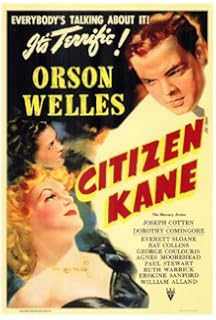
Citizen Kane (1941, Orson Welles)
What even needs to be said about this film? One of the most complex, stunningly structured and relatable character studies in the history of film. A towering achievement in every aspect of filmmaking, from early scripting to final editing and everything in between.
All wrapped up by one of the most powerful endings in film history.

Double Indemnity (1944, Billy Wilder)
A dark and twisted little tale, filled with intrigue and brimming with character. One of the best constructed screenplays of all time without a doubt.
Slick, beautifully told, and able to balance many moving parts without ever feeling overwritten or difficult to follow. A joy of genre cinema.
Also, yet another exceptional ending scene, capping the films bleak mood and grim characterization.
Rashomon (1950, Akira Kurosawa)
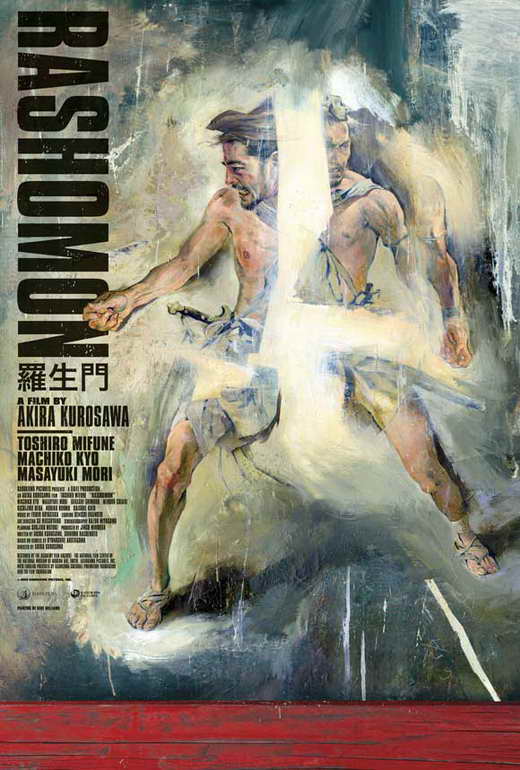
I am not too concerned with giving any kind of ranking for this list, however I will be exceptional in this case. Rashomon is probably my favourite film ever made making the the number one film here.
From the very first shot this film captivated me, mysterious and engulfing. Truly my favourite opening of all time.
I love every aspect of this film, from it's genius screenplay, to its amazing performances (Tishiro Mifune is almost literally feral in this film), and the stunning cinematography.
Sheer beauty on celluloid.
Tokyo Story (1953, Yasujiro Ozu)

Ozu is a filmmaker that I am very cautious of. Mainly because I feel I could very easily become totally obsessed with him. His films embody and encapsulate the human spirit like few others, and his eye for detail is exquisite.
I plan on updating this list next year, and if I do expect a lot more Ozu to appear.
This film is simply gorgeous. Tender, solemn and brimming with dignity.
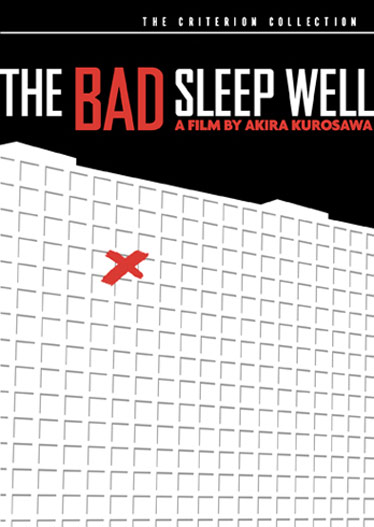 The Bad Sleep Well (1960, Akira Kurosawa)
Yet another Japanese film, and another from director Akira Kurosawa. This is easily his most overlooked film, an incredibly crafted noire with some of the best performances and writing you will see in any thriller.
Psychologically challenging and heartbreaking by the end, with a lot of credit going to Toshiro Mifune, who is always incredible to behold.
Kurosawa took a screenplay loosely based on Hamlet and transformed it into something new and wonderful.
Persona (1966, Ingmar Bergman)
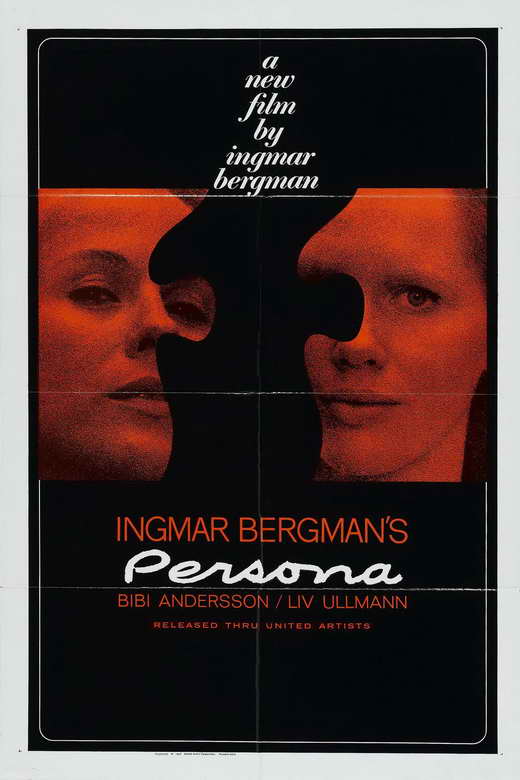
Easily the least accessible film on this list. Persona is disjointed, pretentious and obscure.
It is also revealing, daring and shows the great Bergman at the very heights of his powers. Things are done in this film that astonish me, and terrify me. Probably the sharpest and most daring film on this entire list.
Sadly this is the only Bergman film on the list, I had to be very picky and restrictive on that front. A true shame.
Kes (1969. Ken Loach)
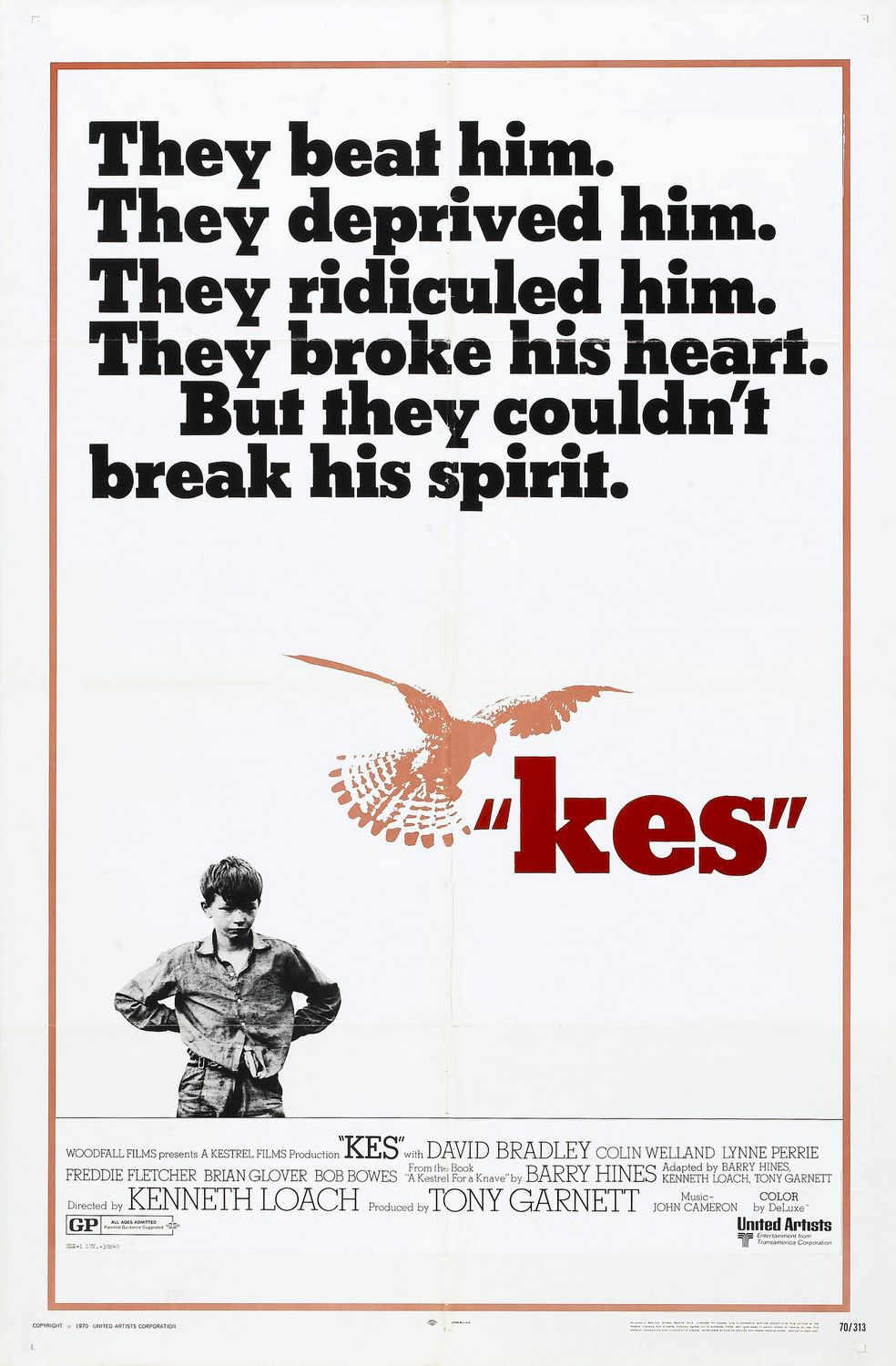
One of the simplest films on the list, along with Tokyo Story. A simple look into the raw human experience of a boy in an impoverished environment.
Heartbreakingly real and filmed with expert care and attention.
Not a flashy film, but one that gives a window into another world, one of the things that films are amazing at doing.
F for Fake (1973, Orson Welles)
 Where Citizen Kane started Welles' career with an incredibly told and beautifully crafted narrative masterpiece, this film ends his career on a less conventional note.
Totally non-linear, and without a any kinda of typical structure, yet still totally coherant and engrossing. A film in which every single cut sizzles and pops with interest and style, probably the most interesting documentary film I have ever seen.
Welles truly was an incredible artist, and despite his own self-deprecation in this film, totally worthy of the praise he is given.
Taxi Driver (1976, Martin Scorsese)
 As of the time of writing this list, I have only just begun the process of rediscovering Martin Scorsese. Having watched (and loved) many of his film a fair while ago, I have begun to work my way back through his filmography with this film.
And hot damn it's amazing. Possibly the most beautiful depiction of an urban setting in the history of film, garnished by Bernard Hermann's beautiful and bold score, and anchored by the simply incredibly Robert De Niro.
It fascinates me how audiences must have reacted to this film back in the seventies. This must have seemed like a feral beast entering their multiplex.
Watership Down (1978, Martin Rosen)
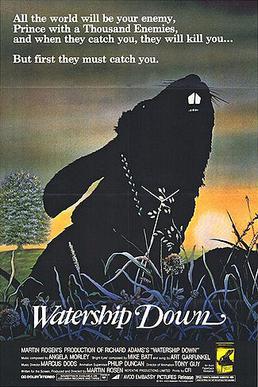 The first animated film on this list and a truly beautiful one. One of the most emotionally complex films ever made, ranging from serine joy to jagged existential peril without any kind of inconsistencies in tone.
Nature has never been so stunningly animated nor as characterised in its own right. You feel the personality of the countryside in this film.
Also, the sequence with Art Garfunkel's beautiful song 'Bright Eyes' is easily one of the greatest pairings of music and image I have ever seen.
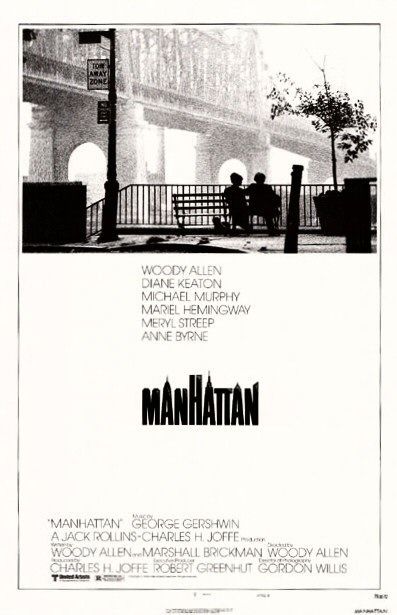 Manhattan (1979, Woody Allen)
It hard for me to describe why I love this film so much. When compared to Annie Hall (which was also considered for this list) this film is far less realistic in its depiction of love in the modern age, but I think it this shunning of realism that makes me love it so much.
Allen creates what might be the purest and most optimistic portrayal of romance that has ever been made, a story in which the message is simply to be with the person you love and screw what everyone thinks.
Beautifully photographed and scored with the excellent music of George Gerschwin. This is a film that is certainly in my sights for a rewatch soon.
The Elephant Man (1980, David Lynch)
 I need to watch more of Lynch's incredible filmography, which is as terrifying to think of as it is exciting. The Elephant man is both delicate and sympathetic towards a very tragic historical figure, yet also harsh and ruthless when condemning the culture that caused this tragedy, and by extension our society.
One of the most visceral and invigorating period pieces ever made, and quiet possibly the most stunningly shot Black and White film I have ever seen (although the competition is certainly fierce in that area).
Just an incredible film.
Back to the Future (1985, Robert Zemeckis)

Although humble and small in comparison to the true filmmaking juggernauts I have showcased so far, this film is probably the most invigorating and fun examples of basic narrative cinema ever made. Fun and enjoyable in every single scene, and joyful to rewatch. Worthy of its status in pop culture.
Not much to say, other than everything was done to near perfection here. The quintessential recipe for telling a fun and adventurous story.
Grave of the Fireflies (1988, Isao Takahata)

I am going to try and keep this short. With the exception of When the Wind Blows and one or two other films later in the list, this film carries more emotional power over me than any other. I have a long history with this one.
Touching on every level, as emotionally complex as it is amazingly simple structure wise. Just watching two doomed characters trying to survive is more than enough on its own, and some scenes from this film hurt like a gun. Just, incredible.
Do the Right Thing (1989, Spike Lee)
 I am trying so hard to not pun off this title, but this film truly does do the right thing. Funny, revealing and playful, this film looks at race in a way which is not preachy nor overly solemn. It blames everybody embroiled in the pointless conflict, showing wisdom well above the years of the young Spike Lee.
Inventive and original in its style, this is a film that actually derives strength from being heavily dated, entrenching itself so firmly in its contemporary setting that it becomes more of a landmark in history than anything else.
Probably the greatest film on race issues that will ever be made, which won't stop hacks like Paul Haggis coming a few years later to try for themselves, with sadly greater success.
Schindler's List (1993, Steven Spielberg)
 A beautifully shot and emotionally tender portrayal of the greatest tragedy in modern history. Spielberg directs this gigantic film with the care and delicacy that can only come from a director with his amount of experience. Not a single shot is wasted in this film, the craftsmanship is truly amazing.
Aside from the the excellent direction, the performances are universally excellent, the soundtrack is one of the greatest I have ever heard, and the pacing beggars belief. Perhaps the most engaging three hour film ever made (although I would need to rewatch Seven Smaurai to confirm that).
Fargo (1996, The Coen Brothers)
 The Coen's are such inventive filmmakers, I doubt that there is any genre that they could not turn there skills towards. This film in particular is one of the cleverest uses of the noir format, a charming and deeply subversive take on one of the most influential genres of all time.
 The thing that makes this film so wonderful is its overall message and purpose. Despite their cynical worldview, the Coen's show an incredible optimism in this film, a belief in the good nature in humanity that comes though the main character (played by Francis Mcdormand) so incredibly strongly.
This is basically a film that makes me feel happy to be alive, through an amazing lead performance and some excellent writing from the Coen's.
Boogie Nights (1997, Paul Thomas Anderson)
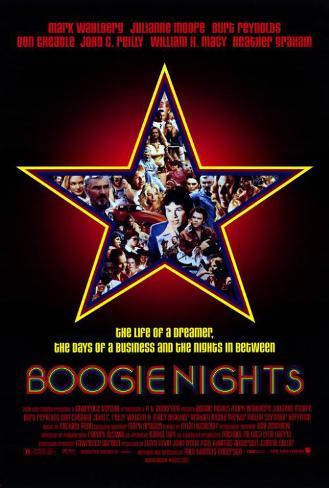 Paul Thomas Anderson is a shining god. Every single film I have seen of his has been a masterpiece. This film in particular is one of the most poignant and engaging multi-character epics I have ever seen, and proof positive that a great artist can make any subject compelling.
Within the confines of the California porn industry during the late seventies/early eighteen PTA fills his story with humour, tragedy, heartbreak and heart. In terms of sheer strength of narrative, this is one of the absolute greatest films I have ever seen.
Also, the performances and dialogue are both incredible across the board.
The Big Lebowski (1998, The Coen Brothers)
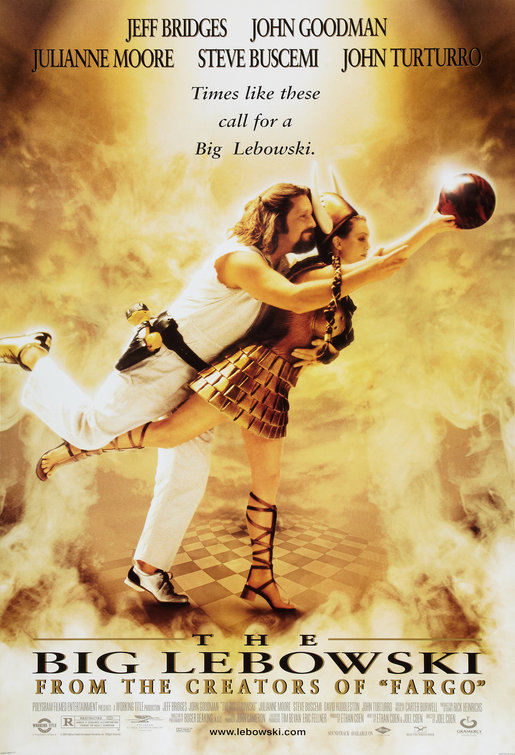
The most quotable film ever made. Just...beyond fascinating in every way, I just want to dissect this film and rewatch it endlessly because absolutely everything about its frantic and wild story is spot-on perfect. Not a single scene fails to connect, and I genuinely think I could watch this film on an endless loop.
I don't even think I can articulate this film any further, it has just become a part of me in a way that no other film has.
Tokyo Godfathers (2003, Satoshi Kon)
.jpg)
A fast, wild and totally engrossing comedic-adventure. A masterpiece of an animated film which manages to combine the amusing antics of a film like Blues Brothers with deep and touching character and heart.
I adore films that are able to turn their settings into breathing characters, and this film is one of the strongest examples of this that I can think of.
A beautifully told story, topped off with one of the best climaxes in any animated film.
Eternal Sunshine of the Spotless Mind
(2004, Michel Gondry)
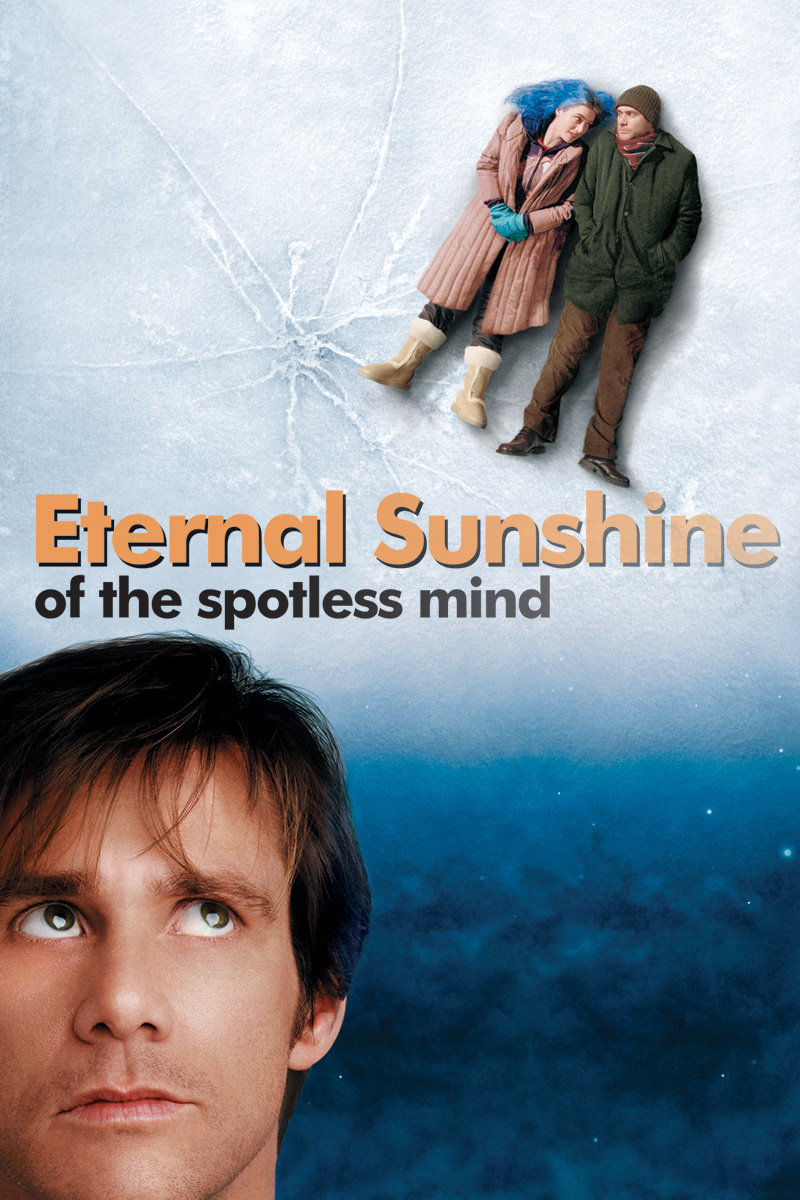
This film is hard to talk about. It has more power over than any other film I can think about, with simple images and sounds from the film being able to reduce me to putty.
If Rashomon isn't my favourite film then it has to be this one, I simply adore everything about it. From Charlie Kaufman's utterly perfect script, to the stunning and heart wrenching script, to the amazing performances from the entire cast. Everything in this film works. Even the soundtrack, quite possibly my favourite soundtrack of all time, can reduce me to a whimpering fool if I am exposed to it for too long.
To sum up my feelings for this film, I was once so enraptured by it that I watched it twice, back-to-back, in one night.
Enter the Void (2010, Gasper Noe)
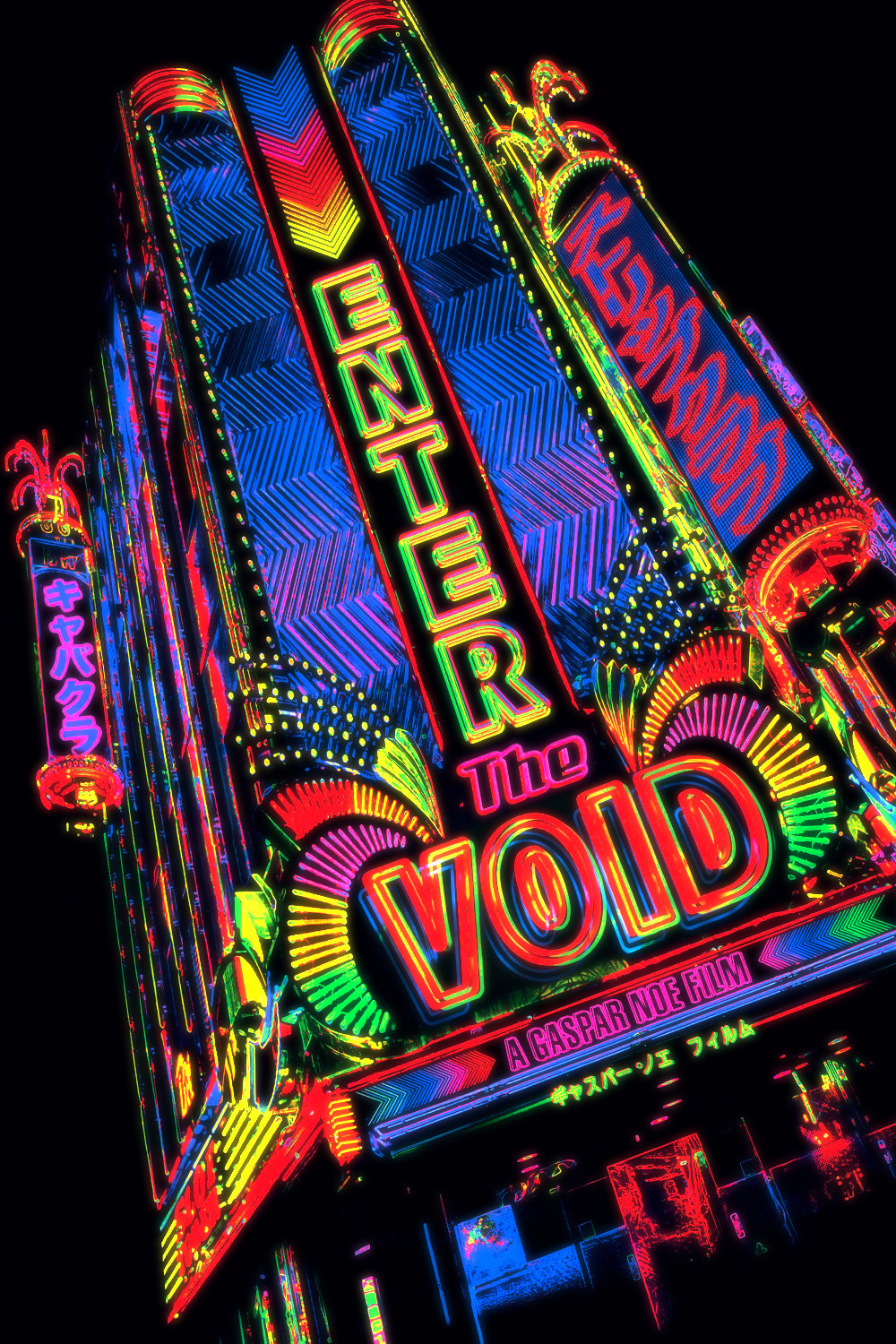
This film kind of scares me a little. It is a voyage into a a dark, dirty and blurry world which does not hold back in any way.
One of the most ambitious and gloriously pretentious projects in the history of cinema, yet despite it's pretensions it is able to tap into something very human and touching.
A true technical triumph in both the craft of film, and the art of cinema.
It's Such a Beautiful Day (2012, Don Hertzfelt)
 Don Hertzfelt is easily my favourite film maker working today. I can't do his work anywhere near justice in words so I can only beg you to watch some of his short films, easily available on Youtube. Seriously, get out of here, go now.
If you want to hear what I think about his (currently) only feature film, here it is. It is basically the antithesis of Enter the Void. Not pretentious or technically extravagant in any way, the main character is a damn stick-figure for christ's sake! However the film still manages to be one of the most touching things I have ever seen, and Hertzfelt does things that I have never seen before in my life with some basic B/W photography and some line drawings. In fact, this is another film that manages to contest Rashomon as my favourite feature film of all time.
I am utterly obsessed with Hertzfelt, and if there is a single artist on this list that I recommend you check out it has to be this one.
The Master (2012, Paul Thomas Anderson)
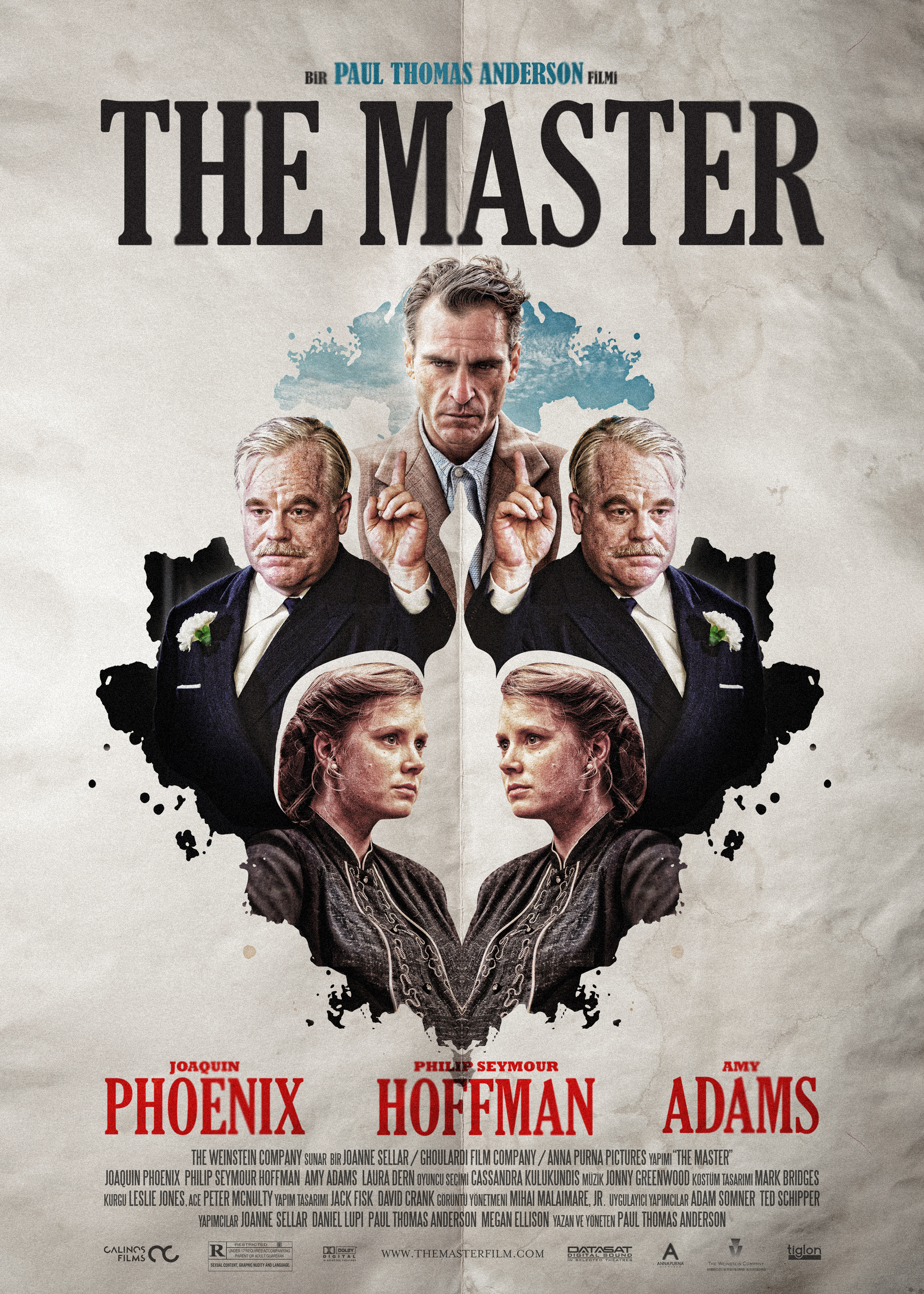
Paul Thomas Anderson, after showing total mastery over conventional storytelling in films like Boogie Nights, dives into the wild and experimental with this film. The Master is unconventional and without a clear structure, but it is far from aimless or unfocused.
The film tells the story of two men and the nature of their complex relationship, along with looking at ideas of faith and destiny. The film is complex and brainfrying but slow and relaxed enough to wash over the viewer. I hate using this term too much because I feel it gets thrown around a lot, but this film is truly an incredible experience.
A Field in England (2013, Ben Wheatley)
 Easily the least accessible and hardest to describe film on this list. A Field in England is a drugged out and alienating experience, dripping in horror and comedy alike.
Basically, there is not a single other film on this list that comes even close to this films strangeness, yet its power is incredible. The film chills, amuses and utterly horrifies, there are moments from this film that are truly burnt into my memory.
Just, tread carefully with this one.
Her (2013, Spike Jonze)
 Spike Jonze interests me. I would personally consider the first two films Jonze directed to be less attributable to Jonze himself and more screenwriter Charlie Kaufman (who also wrote Eternal Sunshine of the Spotless Mind). So when their collaboration ended in the early 2000's, it would be reasonable to assume that Spike Jonze would slip away.
However he then comes along with this utter masterpiece, a film so sweeping and intense in it's emotions and so utterly stunning in its visuals that it takes my breath away to even think about. I am deeply sorry for any dismissiveness I or anyone else may have had towards you Spike Jonze.
And an extra mention has to go to Arcade Fire (A band I really like) for creating the best soundtrack in a film in recent years.
Oh, this alongside The Master transformed Joaquin Pheonix into possibly my favourite living actor. He is just incredible.
The Tale of Princess Kaguya (2013, Isao Takahata)
 Isao Takahata is one of the all time unsung heroes of animation. I love every single thing about this film, to the point where I don't really want to write about it. Just please see it, please. I have never cared more for a character in my life, by the end of this film I was literally screaming internally for things to turn out ok for Kaguya.
Possibly the most beautiful looking film ever made, and dripping with the things that make me love film. Emotion, beauty, poetic storytelling. There is probably no film on this list that I want to be seen more, especially considering that it is the unfortunate swansong to the greatest studio in animation history.
Inside Out (2015, Pete Doctor, Ronnie Del Carmen)
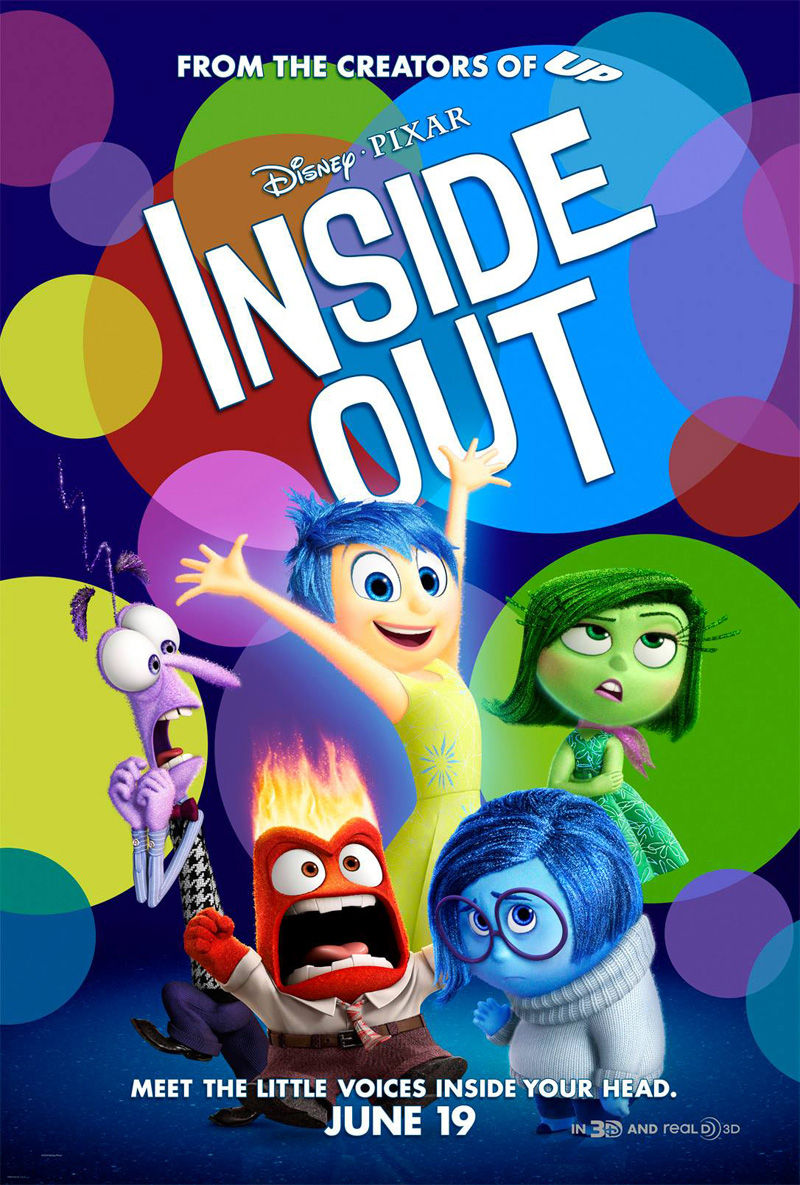 Pixar is a strange entity in the world of animation. Incredibly talented, both artistically and technically, yet somehow a little cold. There is something a little detached and anonymous about them when compared to a studio like Ghibli or even plain old Disney.
Inside Out blew me away however, and represents the biggest leap I could have possibly have hoped for the studio. A film as psychosocially intelligent as it is visually stunning, just mindblowing to see on the big screen.
There are films which genuinely have the power to change the world, and that's what I want Inside Out to do. I want, no, demand that the way society views animation (and film on the whole) matures. We need to challenge ourselves in art or we will begin to roll backwards. I believe Inside Out represents a way forward, and with its success, maybe animation will be used for more in the west than a thing to distract children.
To finish off my anniversary look at my favourite films, here are five honourable mentions. The first two films on this list are films that I watched while uploading the list itself, and would have definitely been up for consideration if I had gotten to them sooner. The other films are ones that almost made it on, but I decided against it for one reason or another.
Seven Samurai (1954, Akira Kurosawa)
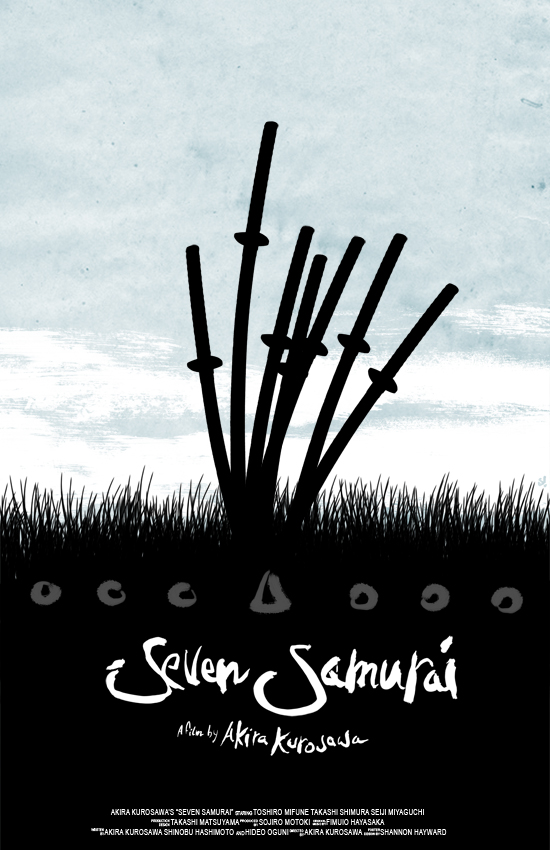 This film is every bit as good as everybody says it is. One of the most remarkable examples of how to develop a large number of characters and frame them against some of the most engaging action ever put to celluloid.
 Truly some of the best cinematography and some of the best performances you will see in Japanese film. Just a shame that I waited until midway through making this list to rewatch this masterpiece. I could watch this film literally a hundred times and still find it fresh and new, it's alive.
Stop Making Sense (1984, Jonathan Demme)
 One of the most surprising films I have ever seen. It is hard to imagine that a simple concert film (literally, there is nothing to the film other than just a concert) could be this good. The Talking Heads' music, the editing and the overall pace are all exquisite.
I honestly am floored by this one, a week after watching it and I can't stop listening to it (I am listening to Once in a Lifetime as I write this sentence) and it keeps drawing my attention from other things. Just, incredible in every single way.
Through a Glass Darkly (1961, Ingmar Bergman)

I excluded this film purely because next to the complex majesty of Persona this far simpler Bergman film cannot help but look a little modest and unremarkable.
Still, Harriet Anderson gives one of the greatest performances I have ever seen in this film and the entire cast does incredible work. Bergman offers an intelligent and emotionally charged portrait of a crumbling family and doesn't hold back in a single scene. Just an incredible drama.
The Innocents (1961, Jack Clayton)
 This is film that I think I reject not putting on the list the most. I have no real reason for the exclusion and although I cannot think of any film in particular that I would have cycled out for this one, it does play heavily on my mind.
Anyway, this is probably the most unnerving and unsettling horror film I have ever seen, and one of the most amazingly edited films period. It is a feature length session of build-up that finally results in one of the most crushing notes of any film I have ever seen.
This is the kind of film I feel you could spend many a year pouring over and deconstructing, finding new and horrifying things the entire time.
The Thing (1982, John Carpenter)

A film that I have watched many a time and have left with something new on each viewing. Horror, joy, fascination, it is a film that has given me much. Carpenter was truly an incredible director in his prime, and is one of the most diverse filmmakers in history.
With this film Carpenter achieved something greater than almost every other film on the planet has, impact. True impact, the kind that sends ripples and affects things that one would not expect. I assure you that every other film featuring a parasite or an desolate environment owes this film a true debt. A film that has influenced me very heavily indeed.
By Jack D. Phillips
A Zoom Film List