Sunday, 22 March 2015

Inside Number 9: Episode 5: The Understudy


The greatest acting and
writing showpiece of the entire
season. Truly masterful.


On the one hand, this episode could be accused of being the least ambitious most simplistic episode of the entire season. Almost all the episode takes place within a single room, the cast is fairly limited (confined to five lead performances) and the majority of the story is told through dialogue. However despite all of this, not only is this one of my favourite episodes of the season, but I would also consider this to one of the most tightly made episodes in British television history. Feel free to quote me on that if you care to.

Pemberton plays Tony, an arrogant and narcissistic stage actor currently performing Macbeth. Pemberton dominates the screen with his huge amounts of charisma and presence at all times and it's great to see the actor finally able to unload his full potential. He is clearly having a blast here, and it makes an interesting contrast to compare this to his role in Last Gasp, which saw him at probably most subtle and reserved versus this far louder and brasher character. However it is Shearsmith who dominates the episode, playing the titular understudy Jim. I will not spoil this performance, however alongside A Field in England, which is one of the greatest British films I have ever seen, this performance helped to cement Shearsmith as one of my favourite British actors. Jim is in my opinion the most relatable, developed and unique main character of the entire season, and he portrays all the human pain and disappointment which would naturally come from being forced into such a position. The other performances and characters in this episode are also wonderfully portrayed, bolstered by the strongest interactions that have been written for the series yet. Particular praise to Lyndsey Marshal for her excellent and subtle performance as Laura.

Aside from the acting, this episode features the season's best script, without a doubt. The dialogue is fluid, the pacing is perfect (special praise for the use of a five act structure, giving the episode an appropriately Shakespearean scale and tone) and the twist is the best of season in my eyes. This is both in terms of the shock it provides, and the way it changes the way you view the preceding story and character interactions in such a drastic manor. 

Overall, I cannot praise this episode enough. I wish I could continue on to praise every element of this episode individually. The dramatic and intense lighting, the genius of setting the entire episode within a single dressing room, the line 'Fuck me it's a ghost' (the most quotable line of the season). This episode is a masterpiece of dark comedy, character drama and theatrical fable, and I recommend it higher than any other episode of the season.

By Jack D. Phillips
A Zoom Film Review
Inside Number 9: Episode 5

Friday, 20 March 2015

Letterboxd

Hey guys, I recently opened an official account on Letterboxd.com. There you can keep up to date on what I've been watching lately (meaning possible review targets) and what my immediate thoughts were. It's a much better environment for interaction so feel free to message me.

http://letterboxd.com/thezoomfilmblog/

By Jack D. Phillips


Masterpiece Corner: When the Wind Blows


The most devastating film I have ever seen


Just to lay out how effective this film is and how much domination it enjoys over my soul, simply know that it made me cry and hopelessly paranoid hours after watching, twice. That in mind, When the Wind Blows is a fairly obscure and rarely discussed British animated film from 1986. Directed by animation legend Jimmy T. Murakami (chiefly known for the iconic short film, The Snowman) and based of the book by Raymond Briggs, the film is fairly notorious among animation fans for it's extremely dark subject matter, and the infamously bleak depiction of this subject matter. It has since been heralded as a hidden gem and a classic of 80's British cinema.

The film follows an elderly English couple, a man named Jim and a woman named Hilda, living in an isolated cottage in the countryside. Their life is shown to be extremely idealic and free of worry, immediately making the characters the least likely focus for a film about the effects of a nuclear bomb, which this film is. We follow their preparations for the upcoming bomb, done with the aid of Government pamphlets, which is done in a relatively light-hearted and almost comedic fashion. The audience is lulled into false sense of security by the chipper, gentle and warm tone. A bomb could not possibly fall on the lives of characters such as these, they are far too innocent to exist in an environment like that, the viewer thinks to themselves in hope. Even the occasional cutaways to the bombs being prepared to launch from Russia seem unnreal, set aside the domestic disputes of the two characters. Despite the expectations and hopes of the audience, fall the bomb does. (Spoilers from this point onward).

Jim and Hilda die. They die very slowly and in ever increasing pain and misery, this slow decay into death is the focus for the film past the opening twenty minutes. This is why the film is infamous, it tackles the true horror and misery that would result from a nuclear war and is unforgettably upsetting.

As you can tell from the image above, the film has a very plump and cute art-style. It is reminiscent of The Snowman and looks not too dissimilar to a TV special for little kids. On it's own, this aesthetic would probably be ill equipped to handle the horror of the film's later section, therefore the film mixes in many other animation styles. Pencil drawn, stop motion, watercolour and even stop motion is mixed into this film in some capacity. Every single one of these styles is used to display a specific element of the films story. For example, the pencil drawn segments are used whenever the characters have a pleasant or wistful dream sequence, of which there are two in the film (along with one which is far less pleasant, yet equally dreamlike). The multiple animation styles are blended stunningly, all creating and specific effect and building towards the film's overall effect. Not only would I praise the animation of this film, but I would go as far as to call it an astonishing achievement, a milestone in the evolution of animation. There are very few films which use it's visual style to such an effect, and almost none which do so as creatively. In the end, we see our plush and warm little characters wither away through radiation poisoning. Their cute, childlike animation giving way to a nightmarish window into reality.

Above and beyond the awe inspiring animation are the vocal performances from Peggy Ashcroft and John Mills. The two actors bring the characters to life with such believable sensitivity that it is hard to describe. These feel like real, living, breathing people. At several points in the film, I am reminded of my own grandparents and other elderly people I have known. The inflections of pain, and slow creeping sentiment of despair that grows within their voices throughout the film is possibly the most saddening thing I have ever heard. It is hard to comprehend or articulate, it is simply harrowing.

Overall, When the Wind Blows is a very simple film. It does one thing, rend the soul of it's viewer (in this case me) and it does it better than any film I have ever witnessed. Upon my second viewing (I set myself a goal to watch films at least twice before I review them for MC) I noticed one other beam of brilliance which tipped this film into officially being a work of genius in my eyes. The films, chronology. The audience is never informed how much time passes between the bombs impact, and the couples' death. At first I assumed several days due to the dwindling supplies they endure, however they did not seem very well prepared in the first place. The frequent fades to black could imply the passing of days, weeks or merely hours. As the gloomy grey environment never changes, under the effect of a nuclear winter, time is completely distorted and impossible to read. This single revelation confirmed what I had previously suspected, this film is cinematic purgatory incarnate.

I am now quite fervently anti-nuclear because of this film, and have a streak of paranoia that I didn't realise before. This will be the most depressing and bleak review I will ever write on this blog, and that is only to pay some level of tribute to this masterpiece of misery.

By Jack D. Phillips
Masterpiece Corner #2

Thursday, 19 March 2015

Yojimbo (1961)

One of Kurosawa's
most well known films
is a fun and
perfectly balanced
proto-action film.


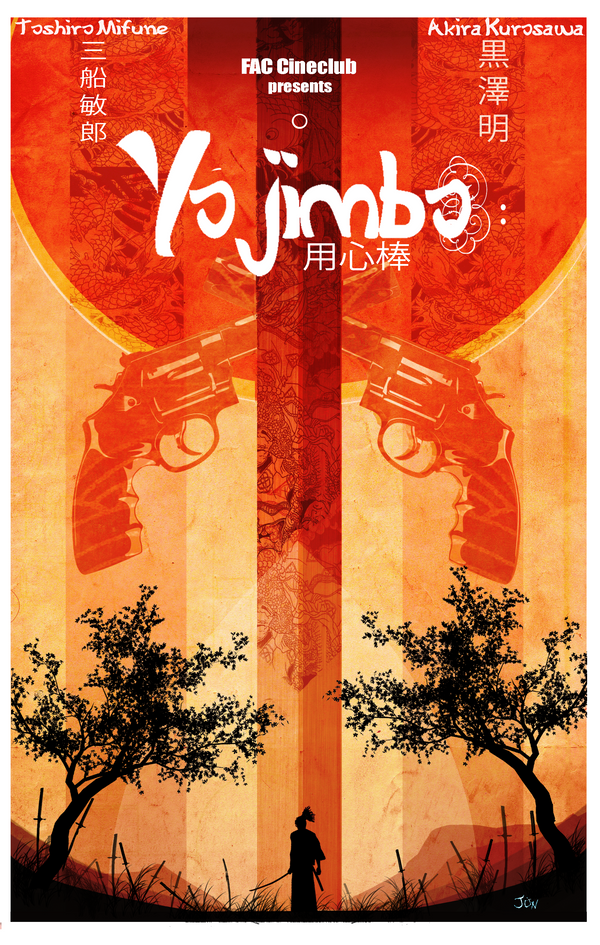
At the time of it's release, Yojimbo was the highest grossing Kurosawa film in Japan and it remains one of the filmmakers most well known films to this day. It is also one of Kurosawa's most influential films, being the direct inspiration for Sergio Leone's Dollars Trilogy, the trilogy which breathed new life into the American western. Therefore it is quiet hard to remove Yojimbo from it's historical significance. However, I'm going to try.

Like many Kurosawa films, Toshiro Mifune (who now has a comfy seat waiting for whenever I bring him up) is the star and gives a phenomenal performance, perhaps his most iconic of all. Sanjuro is a selfish, cynical and manipulative drifter who leeches off the gang leaders of the film's town setting, and loves every second of it. Mifune is having a blast with this role, and yet is still able to give an underlying hint of nobility and justice to the character. Sanjuro is perhaps the perfect image of the travelling vagabond, one of the most enduring characters in modern culture directly because of this film. Other than Sanjuro, the film is occupied by several other characters who would go on to become highly recognisable icons with other westerns/samurai films. It is truly fascinating to witness where all these recognisable character archetypes originate from, and how wonderfully their first incarnations were portrayed.


Outside of the performances, the film features some of Kurosawa's most sturdy cinematography. The film has a very horizontal aesthetic, with a large focus upon horizontal lines and sweeping empty streets. This style would later evolve into the iconic showdown at the end of The Good, The Bad and the Ugly. Similar to the acing, it is stunning to see where such a well known and finely tuned visual style was birthed from, and how effective it was even at that point. The use of weather within this film is particularly impressive, rain emphasizing tension and frustration and mist showing the growing intensity and impending violence of the situation.


Yoimbo offers some of the most impressive scenes within Kurosawa's filmography. Particularly the rivalry between Sanjuro and the revolver twirling brother of one of the mob bosses. Merely with the blocking of the actors and the framing of the image, a powerful rivalry between the witty samurai and the powerful gun-warrior. Also, the earth-shattering sequence which shows Sanjuro at his lowest point is genuinely hard to watch and serves to harshly cut through the lighthearted and darkly-comedic tone of the film up to that point. Mifune owns these scenes with his posture and physical presence, two aspects of the actor which I don not think he has been matched on by any other.


In conclusion, Yojimbo is another of Kurosawa's masterpieces and has become a pillar of film culture. I personally would not hold it as one of my favourite Kurosawa's, I tend to prefer either his more epic and bombastic films or his tight character dramas. Despite this however, this is a must see in my eyes and deserves all the attention it has received since it's release.

By Jack D. Phillips
A Zoom Film Review

Wednesday, 18 March 2015

Inside Number 9: Episode 4: Last Gasp

Not as twisted
or shocking as other episodes.
Instead, here we have
 a moral drama
with dark and revealing
ideas.


If Tom and Gerri acts as the perfect encapsulation of the series in my eyes, then this episode acts as the odd exception to the ideas established throughout the series. Last Gasp has no twist ending, it cannot even loosely be considered a horror themed episode and it doesn't even feature Reece Shearsmith in an acting role (I realise I've been misspelling his name so far, I am a moron). Despite being the season's most a-typical episode, I still find much to enjoy here and recommend Last Gasp as the morbid moral drama it is.

Although Shearsmith does not appear here, Pemberton carries the torch with what may be his most layered and detailed role of the season. A conflicted father attempting to do what is best for his daughter, whilst still clearly being deeply affected by the consequences of these actions. The cast for this episode outside of Pemberton is also fantastic, featuring much of the sadly underrated acting talent within British television. The cast comes together to form characters who are probably the most identifiable of the entire season, all understandable in their motivations and limitations. The episode also features Tamsin, the only prominent child character and performance in the entire season, who is handled with shocking delicacy and realism. Overall I cannot praise the character acting in this episode enough, nor the excellent writing with is used to bring the characters to life.

The plot of the episode is a moral drama which exposes perhaps the most ugly aspect of the British psyche, the obsession with celebrity. The episode clearly condemns this obsession, yet does so through action rather than by lecturing the audience. We are made to form our opinions on the issue by watching the increasingly disgusting actions of the characters and the lengths many will go to in order to exploit other human beings. If he were still alive this would be the kind of story I could see Sidney Lumet directing, and the Inside duo handle it masterfully.

Overall, despite an ending which I found to be slightly rushed, I consider this to be a great episode. It is far from my favouite, and it is certainly an odd one within the season, yet overall it provides an uncomfortably frank tale of greed and brutality.

By Jack D. Phillips
A Zoom Film Review
Inside Number 9: Episode 4

Tuesday, 17 March 2015

Ringing Bell (1978) [Short Film]

A powerful and deeply
moving tale of revenge and
identity. A true classic
of Japanese animation.


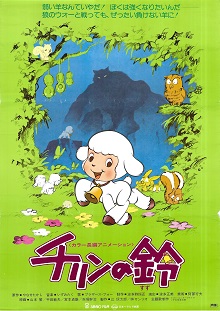
Ringing Bell is notorious amongst animation fans for it's dark and sharp shift in tone the film experiences after the first ten minutes. The contrast between the extremely gentle and soft animation of the film's start and the jagged, dimly lit animation of it's end is also an often discussed topic, overall making this film legendarily boundary pushing within the world of animation. However despite the film's infamy, banned in Kazakhstan after nation-wide rioting over the film's DVD release, it is something of a cult classic and is loved by many, including myself.

The most continuous and debated element of the film is certainly it's animation. Many consider the two styles it blends together to be jarring and distracting, an understandable complaint. In my opinion however, the film excellent use of watercolour backgrounds helps to merge the two styles together, blurring the lines between the two and creating a natural and beautiful merging of the styles. 
The jagged shadows of the ending and fluffy pastel colours create a powerful contrast rather than a distracting one, separating the world's of sheep and wolf in a poetic fashion. Further praise must go towards the sheer scope of the films animation, presenting some of the most impressive scenic vistas that I have ever seen in drawn form, matching the almost Shakespearean scale of the storytelling. However the most amazing aspect of the animation in my opinion is the wolf. He is terrifying, a living strip of shadow with piercing white eyes and a eerily silent manner of movement. It is worth watching the film for this wolf alone if nothing else.

Ringing Bell also features some exceptional sound design. The early synth sound effects start the film sounding whimsical and cheerful, accompanying the harmless and sweet visuals. By the end however they morph into almost demonic sounding mechanical fuzz, representing the de-humanizing journey the main character takes and the brutality of the film's world. In general I would use this film as an example of the potential potency of a synth score, both to create levity and horror.

Finally, the film's actual storyline, which is heralded as both a beautiful modern fable and a trite, braindead propaganda piece. As I have already used the word 'Shakespearean' you can tell where I land. The film's message is superficially simple yet connects and flowers into various other issues. The loss of one's identity, the meaning of being a predator, the effects of revenge and the power of parental authority. All these concepts are weaved into a mere forty-five minute short and it is breathtaking.

Overall, watch this short on Youtube (I feel I have wrote those words numerous times this month), as it is available in both dubbed and subbed forms (I watched the sub). This film will certainly stir emotions and regardless of your opinion, it will at least make you feel something. I love this film, and I hope I can encourage further discussion about it.

By Jack D. Phillips
A Zoom Film Review

Monday, 16 March 2015

Inside Number 9: Episode 3: Tom and Gerri

Perhaps the
 most complex twist,
and screenplay in
general, of the entire
season. 
A great episode.

If I were to pick a single episode of the entire first season of Inside Number 9 to encapsulate the entire series overall, it would be this one. Excellent writing, wonderful performances, a deeply disturbing and genuinely brilliant twist ending. This episode is perhaps the most complete and complex episode of the entire season, and I would not be surprised if this was the story which inspired the entire enterprise.

In the acting department, Pemberton and Shearsmith dominate this episode perhaps more than any other. Sheersmith plays Tom, a deeply flawed yet totally relatable man who stands as perhaps the most detailed and profound character of the entire season. Pemberton matches this with a performance which is simultaneously eerie and engrossing, playing a character who I'm sure will be the subject of a far more intelligent analysis than I could provide. On the supporting front, there are only two other character's of note within the entire episode. One is Gerri, Tom's girlfriend and voice of reason (played by Gemma Arterton) and Stevie, an amusing voice of humanity within the increasingly unstable mind of Tom (played by Conleth Hill). Overall the acting within this epsidoe is perhaps the most impressive of the entire season, bolstered by the excellently witty and tightly crafted dialogue.

There is overall not much more to say about this episode. It showcases the duo's writing and acting skills more than perhaps any other episode and is probably the episode which is most deserving of deconstruction and analysis. I also consider this episode to be the sibling episode to the season's fifth episode, largely due to both episodes dependence on performance. Of the two however I can certainly say that this episode is at least the more chilling and mind-bending, and it stands as a testament to the writing talents of Pemberton and Sheersmith.

By Jack D. Phillips
A Zoom Film Review
Inside Number 9: Episode 3

Saturday, 14 March 2015

My 1,000 Film Watchlist.

On IMDB, my watchlist (films I want to see but have not yet) recently reached a full 1,000 films. Although I hesitate to call this an achievement, I have decided to post a link to my watchlist, just so that anyone curious can look through and possibly find something that interests them too.

1,000 Film Watchlist

By Jack D. Phillips

Inside Number 9: Episode 2: A Quiet Night In


Some of the most
entertaining
30 minutes in
television history.


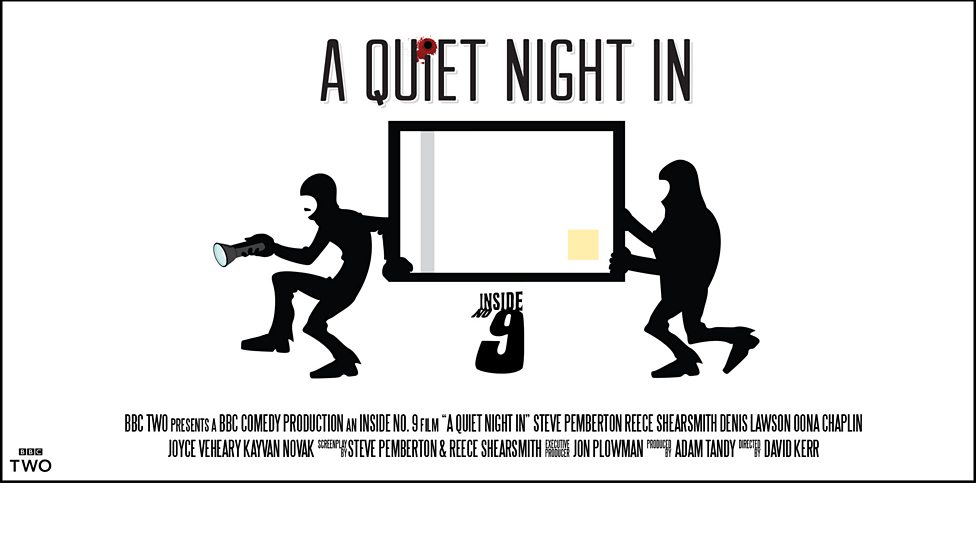
A Quiet Night In is so entertaining it is hard to truly describe. The episode takes the form of a silent comedy, clearly inspired by the works of Laurel and Hardy, and involves two cat burglars (played by Pemberton and Shearsmith) breaking into a house to steal a work of art. 

Although every episode of the season features comedy in some capacity, this episode is the only one which pushes it into the foreground. The comedy in this episode, all of which is visual do to the silent nature of the episode, is absolutely hilarious. The scenarios are totally ridiculous and the script keeps throwing bigger and better curve-balls at the viewer. This episode stands as an absolute comedy classic and is a much watch for anybody who either loves, or wishes to study great comedy.

The set design of the episode is also fantastic. It features a very 1980's neon aesthetic and reminded me a lot of Michael Mann's Manhunter. It is quite stunning to look at and helps to highlight the surprisingly mature cinematography that this episode, and by extension the rest of the series, boasts.  The production values are very impressive here, and with the exception of the final episode, I am sure A Quiet Night In had the season's biggest budget.

In conclusion, I adore this episode. I would consider it a contender for my favourite epsiode of the entire show and I look forward to re-watching it again and again. Get some friends together and enjoy.

By Jack D. Phillips
A Zoom Film Review
Inside Number 9: Episode 2

Falling Leaves (1912) [Short Film]

A powerful and poetic
slice of melodrama.
A powerful portrait of
 innocence and
childlike determination.


I first became aware of this little gem from Mark Cousins' excellent documentary The Story of Film, and I was surprised to find it in great quality on Youtube. Falling Leaves is a fantastical and whimsical film from the pre-Griffith silent era of cinema. It was directed by Alice Guy, often considered to be the first great female director, and is held as a classic of early French film. 

The most important aspect of the film is it's powerful imagery. The simple metaphor the film bases itself around, falling leaves represent the inevitability of time, is shown gloriously and leads to what is now one of my favourite visuals of the entire silent era. Falling Leaves also boosts an impressive child performance, the earliest example of one I can think of. Young Magda Foy shows a strong will and relentless determination which is highly admirable and moving to watch unfold. This character is an adorable star of the era for me now. Furthermore the film handles the sensitive emotions of serious illness elegantly, showing the wider effects on the family and by extension tells it's story very well.

Overall, Falling Leaves is a simple yet perfectly balanced piece of early melodrama. I recommend tracking it down on Youtube, for this is a film which I feel deserves a bit more recognition and praise than it seems to receive.

By Jack D. Phillips
A Zoom Film Review

Friday, 13 March 2015

Inside Number 9: Episode 1: Sardines

A great balance of comedy
and tension. Possibly the best
writing of the entire season.


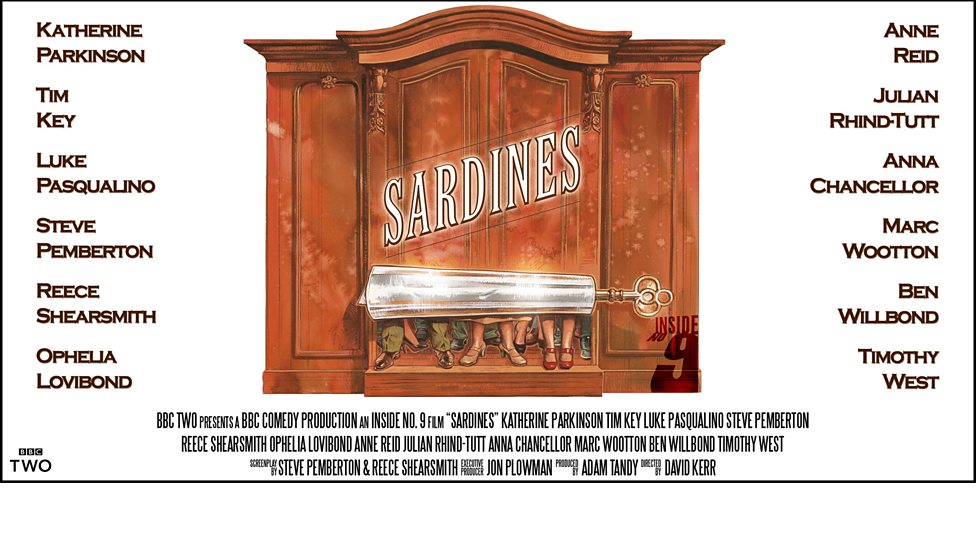
As a kick-off for the season, Sardines acts as the perfect tone setter for the macabre mix of comedy and thrilling psychological horror that makes up the bulk of the show. We get given a premise which forces several character's, many of whom do not like each other or have secrets they wish to withhold, together in a confined space.  This leads to tension, awkwardness and very dark humor.

I give much praise to Pemberton and Shearsmith for this introductory episode, not just for the top-notch quality of their script, but due to their willingness to not dominate the screen at all times. The two play a troubled gay couple, Pemberton playing a character who is introverted and clearly embarrassed by his partner, whilst Shearsmith plays the far more brash and loudmouth of the couple. The two do well with their roles, however they wisely decide to restrict their character's to supporting roles, giving other actors equal if not greater screentime and development. 

I will not spoil the other characters, however it should be said that the dialogue and interactions written by Pemeberton and Shearsmith are outstanding. Funny, detailed and all conversations help to illuminate a dark truth bubbling beneath the surface of several of the characters. This is probably the best screenplay of the entire season and one of the best 30 minute screenplays I have ever experienced, it really is something special.

In conclusion, Sardines acts as a stunning introduction to the series. It showcases the full writing prowess of the creative duo and assures the audience that they are in exceptionally capable hands. It also acts as a showpiece for several excellent performances and results in perhaps the most powerful twist of the entire season.

By Jack D. Phillips
A Zoom Film Review
Inside Number 9: Episode 1

Thursday, 12 March 2015

Inside Number 9 Reviews

I recently finished watching the first series of the fantastic British TV show Inside Number 9. The show is without a doubt one of the most impressive I have seen in quite some time, and I give huge praise to the show's writers and stars Steve Pemberton and Reese Sheersmith. I was so impressed, and each of the show's anthology style episodes was so unique, that over the next week or so I will be reviewing each episode of the series individually.

I hope you all enjoy.

By Jack D. Phillips